

Can Cellulite Treatments Help? LPG, G9 Massage and Realistic Expectations
An evidence-based guide to LPG, G9 massage and realistic cellulite treatment expectations in Istanbul, including safety, maintenance and consultation questions.

Direct answer: A cellulite treatment in Istanbul may make dimpling look smoother for a limited period, especially when it uses mechanical rolling, suction, vibration or massage. It should not be described as permanent cellulite removal, weight loss, detoxification or guaranteed fat reduction. The useful decision is not which machine sounds strongest, but which exact device, goal, evidence, risk and review point apply to you.
In Fatih and across Istanbul, LPG and G9 are often used as broad commercial labels. This guide separates realistic expectations from claims that exceed the evidence. It draws on the U.S. Food and Drug Administration, the American Academy of Dermatology and peer-reviewed reviews.
Quick decision summary
| Question | Evidence-based answer | Useful next step |
|---|---|---|
| Can LPG or G9 change appearance? | Possibly, often temporarily; response varies. | Verify the exact model and use standardised photos. |
| Will it reduce weight? | Mechanical massage should not be sold as weight loss. | Separate texture from weight and circumference goals. |
| How many sessions? | No universal number is supported. | Set an early review point and a stop rule. |
| Is stronger better? | No. Excess intensity can increase pain and bruising. | Use tolerable, device-appropriate settings. |
| What proves value? | A meaningful change under standard conditions that lasts long enough to justify cost. | Track effect, duration, reactions and total spend. |
What cellulite is—and is not
Cellulite is the dimpled or uneven surface pattern most often seen on thighs, hips and buttocks. It reflects the relationship among skin, fibrous connective bands, underlying fat compartments, tissue thickness and local anatomy. It is not a diagnosis of obesity, toxicity or poor hygiene.
Two people with similar weight can show very different texture. Hormonal influences, age, skin elasticity, genetics and tissue architecture all matter. A promise to remove fat does not describe the problem accurately, because less fat does not necessarily release tethered dimples.
Describe the concern neutrally: visible at rest or only with muscle contraction, localised or broad, recent or long-standing, stable or changing. Sudden painful swelling, redness or one-sided change belongs in medical assessment rather than an aesthetic package.
A responsible consultation separates texture from circumference, laxity, oedema and focal fat. That distinction determines whether massage-based care is aligned with the goal.
Turn this section into a written checkpoint: define the exact observation, the review date and the evidence that would justify continuing. This prevents a temporary impression, sales phrase or non-standard photograph from becoming a claim of permanent structural change.
Why Istanbul searches produce confusing answers
Search results combine spas, beauty centres, medical clinics and device distributors, often using the same words for different services. LPG, G9, vacuum, roller, lymphatic, body shaping and tightening may be grouped together even when mechanisms, operators and evidence differ.
A commercial name alone does not identify the machine, handpiece, settings, maintenance status or operator training. Model-specific information matters because a device family can contain multiple configurations and evidence for one configuration cannot automatically be transferred to another.
Fatih may be convenient, but location does not replace clarity. The provider should explain the intended temporary effect, screen contraindications and record the actual device and plan.
Compare like with like: ask what physical action reaches tissue, what the session is expected to change, when that change is assessed, how long it may last and what happens if skin reacts.
Turn this section into a written checkpoint: define the exact observation, the review date and the evidence that would justify continuing. This prevents a temporary impression, sales phrase or non-standard photograph from becoming a claim of permanent structural change.
LPG and endermologie in plain language
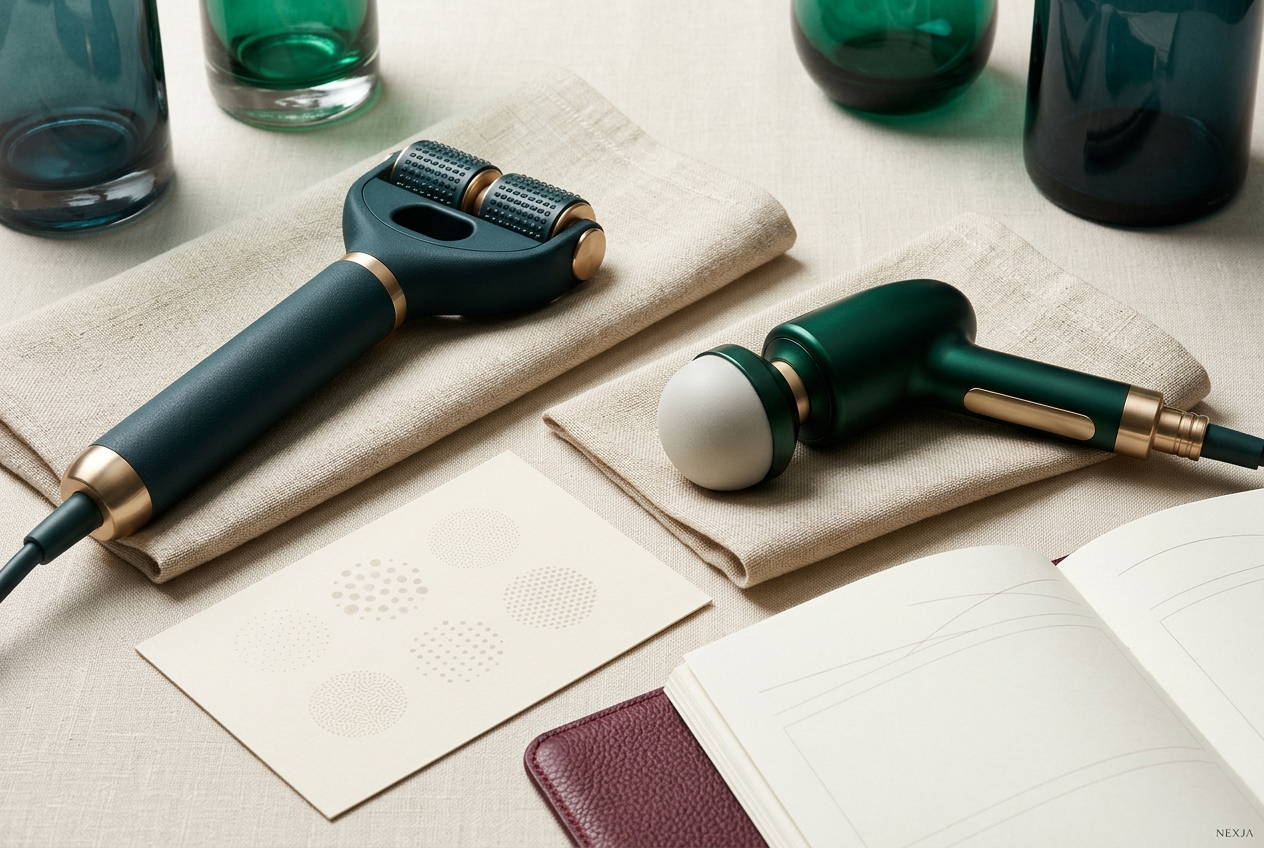
LPG is commonly used as shorthand for mechanised tissue mobilisation involving suction and motorised rollers. Endermologie is a related branded approach. The handpiece lifts and rolls tissue rather than surgically cutting, injecting or removing it.
The defensible expectation is a possible short-term improvement in dimpling or skin surface after a course, not permanent correction of tissue architecture. The American Academy of Dermatology describes mixed study results and temporary change.
Claims that a machine breaks cellulite forever or flushes melted fat exceed the evidence. Mechanical stimulation can alter how tissue looks or feels for a period, but that differs from proving durable removal of fat cells or fibrous bands.
Request the exact manufacturer and model, proposed settings, operator training and the endpoint used in photographs. If these details are withheld, the label LPG is not enough.
Turn this section into a written checkpoint: define the exact observation, the review date and the evidence that would justify continuing. This prevents a temporary impression, sales phrase or non-standard photograph from becoming a claim of permanent structural change.
What people mean by G9 massage
G9 is often used in Türkiye as a broad label for powered percussion, vibration or massage systems. It does not guarantee one standardised model or protocol, and providers may use very different handpieces and intensities.
The plausible cosmetic aim is temporary surface smoothing, tissue mobilisation or a changed sensation of firmness. That does not make G9 a weight-loss method, a detox treatment or a substitute for evaluation of swelling and pain.
Ask to see the device plate, manufacturer instructions and intended use. A generic promotional photograph is not proof that the same unit will be used in the treatment room.
For sensitive skin, easy bruising, varicose veins or anticoagulant use, screening is especially important. Stronger pressure is not automatically more effective, and pain is not proof that fat is breaking.
Turn this section into a written checkpoint: define the exact observation, the review date and the evidence that would justify continuing. This prevents a temporary impression, sales phrase or non-standard photograph from becoming a claim of permanent structural change.
Mechanical massage versus fat reduction
Massage-based cellulite services and technologies intended to reduce a measured fat bulge answer different questions. Surface texture can change without meaningful change in weight or total fat mass, while fat reduction can occur without correcting tethered dimples.
The FDA explains that rolling or vibrating massage may temporarily improve cellulite appearance. It also distinguishes these approaches from energy-based technologies with different risks and endpoints.
If the goal is a lower scale number or treatment of obesity, mechanical cellulite massage is a mismatch. If the goal is a modest temporary refinement before an event, the service may be considered with realistic expectations.
Use separate measurements for separate goals: standardised images for texture, tape measurements for circumference and ordinary health measures for weight. Mixing them can make weak results look stronger.
Turn this section into a written checkpoint: define the exact observation, the review date and the evidence that would justify continuing. This prevents a temporary impression, sales phrase or non-standard photograph from becoming a claim of permanent structural change.
What research can and cannot establish
The 2025 systematic review included 24 randomised controlled trials and 2,084 participants. It found promising findings for several modalities but concluded that no method was definitively established. Follow-up was generally short and methods varied.
An earlier review likewise found substantial methodological weaknesses and no clear evidence of strong efficacy. The gap between marketing confidence and research confidence is therefore important: a reported change does not establish permanence, magnitude or transferability.
Lighting, posture, hydration, menstrual cycle, muscle contraction and evaluator methods can change apparent texture. Strong studies attempt to control these factors; routine marketing images often do not.
A fair provider can state both what is known and what remains uncertain. Refusing a permanent guarantee is a sign of evidence-aware communication, not a weakness.
Turn this section into a written checkpoint: define the exact observation, the review date and the evidence that would justify continuing. This prevents a temporary impression, sales phrase or non-standard photograph from becoming a claim of permanent structural change.
Realistic outcomes after one session
Immediately after massage, skin may look temporarily smoother because of pressure, local fluid shifts, warmth or compression. Some people see no difference, while others see a change that fades quickly.
A same-day image is useful only when labelled as an immediate observation, not a final result. It should match the baseline camera, distance, focal length, lighting, stance and muscle state.
Tenderness, redness or mild bruising can occur. Persistent pain, marked swelling, blistering, numbness or an unexpected one-sided reaction deserves prompt clinical advice rather than another high-intensity session.
Treat the first session as a tolerance and process check. It can reveal comfort and short-term response, but cannot prove durability.
Turn this section into a written checkpoint: define the exact observation, the review date and the evidence that would justify continuing. This prevents a temporary impression, sales phrase or non-standard photograph from becoming a claim of permanent structural change.
What a course of sessions means
Packages are sold as sequences because temporary responses may be more noticeable with repetition. A course does not create evidence of permanence, and the ideal number cannot be selected without the device, intensity, baseline and response.
Set a review point before buying an open-ended programme. After a small number of sessions, compare standardised images, ask about reactions and decide whether continuing remains worthwhile.
Prepaid packages should have clear cancellation, pause and expiry terms. Pregnancy, a new medicine, infection, surgery or a vascular concern may change suitability after purchase.
Ask whether maintenance means periodic sessions to recreate a temporary effect and what happens if you stop. Avoid claims that the body becomes dependent on massage or accumulates toxins without it.
Turn this section into a written checkpoint: define the exact observation, the review date and the evidence that would justify continuing. This prevents a temporary impression, sales phrase or non-standard photograph from becoming a claim of permanent structural change.
How to judge before-and-after images
A credible comparison keeps lighting direction, room, background, camera height, lens, distance, pose, clothing line and muscle contraction consistent. Oiled skin, tanning, side light and changed posture can exaggerate improvement.
Look for images taken at a meaningful follow-up point, not only minutes after treatment. Ask whether other procedures or weight changes occurred and whether consent covers marketing use.
Zoomed crops hide context. A full regional view plus a closer texture view is more informative. Numerical scores help only when the scale is defined and applied consistently.
Personal images need privacy controls. Declining promotional use should not reduce care quality or change the price.
Turn this section into a written checkpoint: define the exact observation, the review date and the evidence that would justify continuing. This prevents a temporary impression, sales phrase or non-standard photograph from becoming a claim of permanent structural change.
Safety screening that should happen first
Screening should cover pregnancy, recent surgery, active infection, open wounds, bleeding tendency, anticoagulants, significant vascular disease, unexplained swelling, neuropathy, implanted devices when relevant and any condition affected by pressure or vibration.
This is not a universal contraindication list. Manufacturer instructions and professional assessment remain decisive. A provider must know the exact machine rather than rely on a generic checklist.
Disclose easy bruising, varicose veins, sensory changes, thrombosis history, cancer treatment, lymphatic surgery and new pain. Some disclosures require medical clearance or another pathway.
Report sharp pain, burning, numbness, dizziness or breathlessness immediately. Escalating discomfort to work harder is never a sound rule.
Turn this section into a written checkpoint: define the exact observation, the review date and the evidence that would justify continuing. This prevents a temporary impression, sales phrase or non-standard photograph from becoming a claim of permanent structural change.
When cellulite is not the main issue
Texture concerns may coexist with laxity, focal fat, muscle contour, oedema or lipedema. These are not interchangeable. Lipedema can involve pain, tenderness, easy bruising and disproportionate distribution and requires medical recognition.
New unilateral swelling, warmth, redness, calf pain or shortness of breath can signal an urgent problem. A beauty appointment is not the place to test whether massage improves those symptoms.
Some people mainly dislike normal folds visible in a compressed pose. A consultation should not pathologise normal anatomy through harsh lighting or magnification.
If concern causes persistent distress or compulsive checking, pause purchasing and seek a neutral perspective. Informed choice includes doing nothing.
Turn this section into a written checkpoint: define the exact observation, the review date and the evidence that would justify continuing. This prevents a temporary impression, sales phrase or non-standard photograph from becoming a claim of permanent structural change.
A practical consultation script
Start with one sentence: ‘My priority is a modest improvement in visible dimpling, not weight loss.’ This prevents the consultation from drifting into unrelated promises and gives every later measurement a purpose.
Ask what exact device and model will be used, what the manufacturer says it is intended to do, what evidence supports the proposed protocol, who operates it and what side effects occur most often.
Ask how outcomes will be documented, when they will be reviewed and what would make the provider stop or change the plan. Request the total package price and any garment, consultation, maintenance or cancellation costs in writing.
Finally ask for alternatives, including no treatment. An appropriate provider does not need urgency, shame, guaranteed centimetres or a countdown discount to secure consent.
Write the decision in plain language: the intended change, the acceptable downside, the review date and the stopping condition. A plan becomes easier to evaluate when each promise is converted into something observable rather than a mood, slogan or sales photograph.
Choosing between LPG, G9 and no treatment
Choose by goal and verified process, not by which acronym sounds more advanced. A roller-and-suction system may offer controlled tissue mobilisation; a percussive or vibrating G9-labelled unit may feel and operate differently. Neither label proves superiority.
If you value a gentle experience, ask for a tolerance session. If bruising would interfere with work, travel or an event, schedule conservatively and avoid testing unfamiliar intensity immediately beforehand.
No treatment is rational when the expected temporary change is smaller than the cost, time or discomfort. Home habits will not erase structural cellulite, but stable routines can make decisions less reactive.
For broader body-contouring goals, use Nexja’s non-surgical body contouring decision guide to separate surface texture, focal fat, muscle tone and laxity before comparing technologies.
Write the decision in plain language: the intended change, the acceptable downside, the review date and the stopping condition. A plan becomes easier to evaluate when each promise is converted into something observable rather than a mood, slogan or sales photograph.
Combining treatments without confusion
Layering massage with radiofrequency, ultrasound, exercise, compression or skincare makes it harder to identify what produced a change and may alter risk. More modalities are not automatically more effective.
If combination care is proposed, request the rationale for sequence, timing and settings. Ask which element targets texture and which addresses a separate concern. The answer should be specific enough to record.
Allow recovery windows recommended for each technology. Overlapping heat, suction and vigorous massage can increase redness, tenderness or bruising even when each step is tolerable alone.
Evaluate one coherent plan rather than collecting discounted add-ons. Nexja’s cryolipolysis versus cavitation comparison shows why local-fat procedures should not be judged by cellulite claims.
Write the decision in plain language: the intended change, the acceptable downside, the review date and the stopping condition. A plan becomes easier to evaluate when each promise is converted into something observable rather than a mood, slogan or sales photograph.
Home care and maintenance
Hydration supports wellbeing but extra water does not flush cellulite away. Balanced nutrition, regular movement, sleep and weight stability can support health and body confidence without promising removal of dimples.
Resistance training may change muscle contour and function, while gradual weight change may alter the prominence of fat. Neither predictably rewrites connective-tissue architecture, and rapid weight cycling complicates assessment.
Moisturisers can improve surface feel. Products containing retinoids may modestly thicken skin over long use for some people, but suitability, pregnancy considerations and irritation risk should be discussed with a dermatologist.
Maintenance should be optional and goal-based. Record dates, costs, reactions and how long any benefit lasted. That record is more reliable than package momentum.
Write the decision in plain language: the intended change, the acceptable downside, the review date and the stopping condition. A plan becomes easier to evaluate when each promise is converted into something observable rather than a mood, slogan or sales photograph.
Planning around an event
For a wedding, trip or photography session, start early enough to test tolerance and observe how long redness or bruising lasts. Do not schedule the first vigorous session immediately before the event.
Define the desired setting: ordinary daylight, fitted clothing, swimwear or professional photography. A modest temporary change may matter in one setting and be invisible in another.
Set a spending ceiling and stop date. Event pressure makes guarantees and last-minute upgrades more persuasive, so written limits protect the choice.
Keep final-week routines stable. Dramatic dieting, dehydration or multiple new procedures can create more risk than benefit and make results difficult to interpret.
Write the decision in plain language: the intended change, the acceptable downside, the review date and the stopping condition. A plan becomes easier to evaluate when each promise is converted into something observable rather than a mood, slogan or sales photograph.
Cost and value in Istanbul
Price comparisons matter only when they include exact device, session duration, treated area, passes, operator qualification, consumables, assessment and follow-up. A low headline price can omit these elements.
Calculate total course cost plus plausible maintenance, travel time and missed work. Compare that total with the expected temporary magnitude rather than an idealised permanent result.
Do not accept a premium merely because a machine is called medical grade or imported. Request the model and intended-use documentation.
A transparent provider gives a written total, does not tie safety questions to an expiring discount and leaves space for consent. The Nexja firming and contouring service page starts a model-specific enquiry; it is not proof of a personal result.
Write the decision in plain language: the intended change, the acceptable downside, the review date and the stopping condition. A plan becomes easier to evaluate when each promise is converted into something observable rather than a mood, slogan or sales photograph.
Fatih logistics and continuity
For clients based in or visiting Fatih, repeated appointments require realistic travel planning. Traffic, parking, public transport, work hours and privacy after temporary redness affect whether a course is practical.
Ask whether the same operator and same device will be available throughout the programme. If settings change, record the reason and date.
Tourism-length stays may be too short to assess durability or complete follow-up. Sessions should not be compressed solely to fit a departure date without model-specific support.
Keep copies of consent, device name, settings if provided, adverse-event instructions and photographs. Continuity matters if another clinician later needs to understand what happened.
Write the decision in plain language: the intended change, the acceptable downside, the review date and the stopping condition. A plan becomes easier to evaluate when each promise is converted into something observable rather than a mood, slogan or sales photograph.
Measuring progress without chasing perfection
Choose one primary outcome, such as a defined grade change or a personally meaningful difference in standardised images. Multiple vague outcomes invite selective interpretation.
Record baseline before sales pressure. Repeat images at the agreed interval and note weight change, exercise, menstrual cycle, tanning and other procedures.
Use a stop rule: no meaningful improvement by the review point, unacceptable bruising, rising cost or increasing distress. Stopping is a valid outcome, not a personal failure.
Avoid daily checking. Visibility naturally shifts with posture, light and compression. Scheduled comparison protects against mistaking fluctuation for treatment success or failure.
Write the decision in plain language: the intended change, the acceptable downside, the review date and the stopping condition. A plan becomes easier to evaluate when each promise is converted into something observable rather than a mood, slogan or sales photograph.
Consent, claims and advertising
Consent should name the procedure, expected temporary or uncertain benefit, common side effects, important risks, alternatives, aftercare and a contact route. A signature without discussion is not informed consent.
Be cautious with permanent, guaranteed, painless, zero risk, detox, melts fat and clinically proven. Ask which claim refers to the exact model and protocol and request the source.
Testimonials describe individual experience and can be selectively presented. They cannot replace controlled evidence or predict your outcome.
Advertising should not imply that normal cellulite is disease or that treatment is required for health. Ethical communication supports autonomy and avoids shame.
Write the decision in plain language: the intended change, the acceptable downside, the review date and the stopping condition. A plan becomes easier to evaluate when each promise is converted into something observable rather than a mood, slogan or sales photograph.
Aftercare and adverse reactions
Follow device-specific written instructions. Generic advice may include avoiding extra friction or heat on irritated skin, monitoring bruising and contacting the provider if symptoms worsen.
Photograph a reaction in neutral light and note when it began, where it is located and whether pain, warmth, swelling or numbness is increasing. This record helps triage.
Seek urgent medical help for breathing difficulty, chest pain, sudden one-sided leg swelling or other severe symptoms. Do not rely on social-media reassurance or repeat massage.
Before another session, review the reaction and document a decision: proceed, reduce intensity, delay, seek clearance or stop. A package schedule cannot override safety.
Write the decision in plain language: the intended change, the acceptable downside, the review date and the stopping condition. A plan becomes easier to evaluate when each promise is converted into something observable rather than a mood, slogan or sales photograph.
A 12-week decision framework
Weeks one and two are for baseline, model verification, screening and a tolerance session if appropriate. Weeks three to six are for the agreed course with consistent documentation, not continual add-ons.
At the midpoint, compare standardised evidence and costs. If there is no meaningful change, revisit the goal and stop rather than automatically extending.
At course end, wait the agreed interval before judging. Record the best observed effect and how long it persists.
Weeks nine to twelve test durability without marketing pressure. Only then decide whether optional maintenance offers enough value. This turns ‘keep coming’ into a measurable choice.
Write the decision in plain language: the intended change, the acceptable downside, the review date and the stopping condition. A plan becomes easier to evaluate when each promise is converted into something observable rather than a mood, slogan or sales photograph.
How Nexja should frame a plan
A Nexja consultation in Fatih should identify whether the concern is texture, local fat, laxity, muscle tone or a combination. Its service information lists G9 among body-oriented options, but suitability still depends on model-specific information and screening.
The plan should avoid invented medical credentials, device approvals, settings and guaranteed centimetres. When information is not verified, the correct response is to obtain it or state the limitation.
Progress should be documented with consent and consistent photography. The client should receive the device name, schedule, realistic endpoint and cost before purchase.
Explore the Body Contouring & Firming Guide for related education, while treating this article as information rather than personal medical advice.
Write the decision in plain language: the intended change, the acceptable downside, the review date and the stopping condition. A plan becomes easier to evaluate when each promise is converted into something observable rather than a mood, slogan or sales photograph.
Myths versus facts
| Claim | Better interpretation |
|---|---|
| Myth: cellulite is trapped toxin. | Fact: dimpling reflects tissue architecture; a detox narrative is not a diagnosis. |
| Myth: bruising proves fat is breaking down. | Fact: bruising is an adverse effect, not an effectiveness marker. |
| Myth: a famous device name guarantees results. | Fact: model, protocol, operator, baseline and follow-up matter. |
| Myth: losing centimetres after massage proves fat loss. | Fact: measurement variation, compression and fluid shifts can change circumference temporarily. |
| Myth: more sessions always create a better result. | Fact: a review and stop rule protect against ineffective continuation. |
| Myth: cellulite treatment is necessary for health. | Fact: cellulite is usually a normal cosmetic feature; treatment is optional. |
| Myth: cryolipolysis automatically smooths cellulite. | Fact: reducing a fat bulge and changing tethered dimples are different goals. |
| Myth: an immediate result is permanent. | Fact: same-day effects must be separated from outcomes measured after follow-up. |
Your appointment worksheet
- Goal: Write one sentence distinguishing texture, laxity, local fat, swelling and muscle tone. Select only one primary outcome.
- Device: Record manufacturer, exact model, handpiece, intended use and whether the unit shown is the unit used.
- Baseline: Take consistent photographs and note weight stability, recent procedures and relevant health changes.
- Safety: List medicines, vascular history, easy bruising, sensory problems, surgery and active skin issues.
- Protocol: Record area, duration, session interval, review point and intensity limits.
- Outcome: Choose the follow-up timing and conditions used to judge change.
- Cost: Calculate course, consumables, travel, maintenance and cancellation exposure.
- Stop rule: Decide what lack of effect, reaction or cost triggers discontinuation.
Frequently asked questions
Can cellulite treatment remove cellulite permanently?
No method can honestly guarantee permanent removal for everyone. Mechanical massage may temporarily improve visible texture, while research remains heterogeneous and often short-term. Ask how long benefit lasted in model-specific studies and what maintenance means before buying a package.
Is LPG the same as liposuction?
No. LPG-style endermologie uses external suction and rollers to mobilise tissue. Liposuction is invasive surgery that removes fat through cannulas. Their mechanisms, risks, recovery and goals are not interchangeable; confirm which procedure is actually being offered.
Does G9 massage cause weight loss?
It should not be sold as weight loss. Short-term circumference shifts may reflect compression, measurement variation or fluid movement rather than meaningful fat loss. Track body weight and texture separately, and reject packages that convert a temporary tape-measure change into kilograms lost.
Is cellulite caused by toxins?
The popular toxin explanation is not supported as a useful medical model. Cellulite relates to skin, connective tissue, fat compartments and anatomy. Ask the provider to replace detox language with a concrete mechanical explanation and a measurable cosmetic endpoint.
How many sessions will I need?
There is no honest universal number. It depends on the device, protocol, baseline, tolerance and goal. Agree on a small review point rather than purchasing an unlimited course based on a generic promise.
Will one session make a visible difference?
Some people notice temporary smoothing, warmth or reduced puffiness; others see no meaningful change. An immediate image cannot establish durability. Use the first visit to assess tolerance, communication and short-term response, then review under the same lighting later.
Does a painful session work better?
No. Pain is not proof that cellulite or fat is breaking down. Excess intensity can increase bruising or irritation. Report sharp pain, burning, numbness or dizziness immediately and do not accept pressure to endure it.
Can I have treatment before a wedding?
Possibly, but test tolerance well in advance. First-time vigorous massage can cause redness, tenderness or bruising. Leave recovery time, avoid new combinations just before the event and set a final date after which no experimental changes are made.
Is cellulite a health problem?
Usually it is a normal cosmetic feature rather than a disease. Treatment is optional and should not be framed as a health requirement. Pain, marked swelling, easy bruising or sudden one-sided change can signal another condition and needs medical assessment.
Can thin or athletic people have cellulite?
Yes. Cellulite is not a reliable measure of fitness or body weight. Connective-tissue arrangement, skin, hormones and genetics influence appearance. A plan that starts with weight-loss shame is therefore poorly aligned with the concern.
Does drinking more water remove cellulite?
Hydration supports health, but extra water does not dissolve fibrous bands or permanently erase dimpling. Keep normal hydration habits and be cautious when a provider uses water intake to justify unsupported detox claims.
Can exercise cure cellulite?
Exercise can improve strength, muscle contour and general health and may change how an area looks. It cannot predictably remove cellulite architecture. Treat movement as valuable health care rather than a punishment or guaranteed aesthetic cure.
Are creams enough?
Moisturisers may improve skin feel and temporary appearance. Some retinoid products may modestly affect skin thickness over prolonged use. Discuss irritation, pregnancy and product suitability with a dermatologist, and avoid interpreting tingling as proof of efficacy.
Is cryolipolysis a cellulite treatment?
Cryolipolysis targets local fat bulges, not the fibrous architecture of cellulite. A smaller fat layer does not automatically mean smoother texture. If both concerns exist, define separate goals and evidence rather than letting one procedure borrow claims from another.
Can I combine LPG or G9 with radiofrequency?
Combination plans may be offered, but rationale, order and recovery windows should be explicit. Combining modalities can increase irritation. Introduce changes deliberately, record each element and ask which part is expected to address texture.
Who should avoid mechanical massage?
Suitability depends on the device, but infection, open wounds, unexplained swelling, certain vascular problems, bleeding risk, recent surgery and pregnancy commonly require caution. Use manufacturer guidance and professional screening rather than a universal online list.
What should I ask about the machine?
Ask for manufacturer, exact model, intended use, maintenance status, operator training, settings approach and adverse-event instructions. A promotional family name, stock photo or distributor brochure does not confirm the machine in the treatment room.
How should photos be taken?
Use the same camera, lens, distance, height, lighting, background, pose and muscle state. Record timing after treatment. Avoid oil, tanning, side lighting or clothing changes that make texture incomparable.
What does maintenance mean?
Usually it means repeating sessions to recreate or sustain a temporary cosmetic effect. It does not prove the first course permanently changed tissue. Ask the interval, annual cost and expected appearance after stopping before agreeing.
Can massage improve lymphatic drainage?
Massage can influence local fluid movement, but broad detox claims are not justified. Diagnosed lymphatic disorders need appropriately trained care. Do not use an aesthetic appointment to self-treat persistent or one-sided swelling.
Is bruising normal?
Mild bruising can occur with suction or pressure, but it should be disclosed and monitored. It is not a desired endpoint. Extensive, worsening or painful bruising needs review, especially with anticoagulants or a bleeding tendency.
Can I treat varicose veins directly?
Do not assume vigorous massage over varicose veins is safe. Disclose vascular history and obtain device-specific assessment. New swelling, heat or pain should be medically evaluated rather than massaged.
Are results different for men?
Men can have cellulite, though anatomy and distribution may differ. Evidence does not support a universal sex-based guarantee. The same requirements for exact model, baseline, protocol and follow-up apply.
What is a reasonable goal?
A reasonable goal is a modest, observable improvement in texture under standard conditions for a defined period, with acceptable cost and effects. Perfection, complete removal and permanent smoothness are not responsible package endpoints.
How do I compare two Istanbul providers?
Compare model, operator training, screening, written risks, documentation, total cost, cancellation terms and maintenance expectations. Location, décor and follower counts are secondary to verifiable process.
Should I buy a package at the first visit?
You do not have to. A tolerance session and written plan can reduce uncertainty before a larger commitment. High-pressure same-day discounts are not evidence and can undermine informed consent.
What if I see no change halfway through?
Use the pre-agreed review point. Confirm that photographs are comparable, then stop or revise rather than extending automatically. More sessions do not guarantee a delayed response, and sunk cost is not a clinical reason to continue.
Can treatment make cellulite look worse?
Temporary swelling, bruising or uneven irritation can make texture appear worse for a time. Persistent change should be assessed. Document timing and symptoms and do not let a provider dismiss worsening without review.
Is this article medical advice?
No. It is general education and cannot assess individual history, examination findings or the exact machine. Individual suitability requires qualified professional evaluation and manufacturer-specific guidance.
Where can I verify the evidence?
Start with the FDA, the American Academy of Dermatology and peer-reviewed systematic reviews, then check whether findings apply to the exact model offered. A link to research about another technology does not validate the protocol in front of you.
Decision scenarios
You want smoother-looking thighs for an event
Define the viewing conditions and deadline, then arrange a tolerance session early. Ask how long immediate redness and any smoothing usually last with the exact device. Photograph the area in ordinary daylight before treatment, not only under directional clinic lighting. If the response is negligible or bruising would be visible in event clothing, stop rather than escalating intensity. The decision is successful when it protects your comfort and schedule, even if that means declining a package.
A package promises centimetres lost
Ask whether the promise concerns temporary circumference, fat volume, fluid change or body weight. Request the measurement protocol and timing. Tape position and compression should be consistent, and a same-day difference should not be described as fat loss. If the goal is weight management, choose an evidence-based health pathway. If the goal is texture, use photographs and a defined scale instead of borrowing a circumference claim.
The clinic says stronger pressure works faster
Request the manufacturer’s setting guidance and explain your bruising tolerance. Effectiveness is not measured by pain. A responsible operator can describe what sensations are expected, which symptoms require stopping and how the session will be modified after a reaction. Decline any explanation that treats injury as proof of detoxification or fat destruction. Safety and a reproducible protocol matter more than dramatic sensation.
You have varicose veins or easy bruising
Disclose the history before any payment or patch test. Ask whether the exact device instructions mention vascular disease, anticoagulants or impaired sensation and whether medical clearance is needed. Do not accept vigorous work directly over a symptomatic vein without appropriate assessment. Photograph baseline bruising if relevant. If the provider cannot explain screening or escalation, postpone; convenience does not justify uncertainty.
You are visiting Istanbul briefly
A short stay can fit a consultation or tolerance visit, but it may not allow a full course or useful durability review. Ask whether compressing intervals is supported for the exact model and how follow-up will occur after departure. Obtain written device and session details. Avoid purchasing maintenance that cannot realistically be completed, and do not let tourism timing override recovery or adverse-event assessment.
You are comparing LPG with G9
Write each exact model in two columns. Compare mechanism, intended use, operator training, evidence, likely sensations, side effects, session length, total course cost and review timing. Do not compare one provider’s device brochure with another provider’s vague label. If neither model is disclosed, the comparison is incomplete. A lower-cost, well-explained plan may be more rational than a premium brand name without protocol transparency.
You have a normal texture concern but high distress
Step back from magnified images and evaluate the area in normal light and ordinary posture. Consider whether repeated checking, social-media comparison or sales photography is driving urgency. A neutral dermatologist or mental-health professional can help if distress is persistent. No treatment is compulsory. The aim of informed consent is not merely choosing among machines; it also protects the legitimate choice to wait or do nothing.
You are offered several treatments at once
Ask which concern each modality targets and why the sequence is necessary. Require separate risks, recovery windows and success measures. Stacking heat, suction, vibration and vigorous manual work can increase irritation and obscure attribution. Consider starting with one coherent component and reviewing it. A discount for a bundle is not scientific evidence that the bundle is safer or more effective.
Your first session produced bruising
Record photographs, timing, pain, swelling, medicines and any change in sensation. Contact the provider for documented advice. Worsening pain, extensive bruising or concerning systemic symptoms need appropriate medical assessment. Before another session, require a clear decision about intensity, interval or discontinuation. Do not accept the claim that bruising must happen for cellulite to break down; it is a reaction to manage.
The immediate photo looks impressive
Check whether posture, light, camera distance, oil, clothing and muscle contraction match the baseline. Ask for a later comparison after temporary pressure and fluid effects have settled. Keep the original files rather than only a collage. If the effect fades, that duration is part of the result and should inform value. Immediate improvement can still be personally useful, but it must not be relabelled as permanent.
You see no change at the midpoint
Repeat the agreed standardised assessment and verify that sessions used the planned model and protocol. If there is still no meaningful change, apply the stop rule. Ask whether continuing has a model-specific rationale rather than a generic belief that results suddenly appear. Protect remaining budget and consider whether the original concern was misclassified as texture when it was mainly laxity, fat distribution or ordinary anatomy.
You like the result and want maintenance
First record how long the improvement lasted without another session. Ask for the least intensive interval that preserves personally meaningful value and calculate annual cost. Maintenance should remain optional; stopping should not be portrayed as harmful. Re-screen if health, medication, pregnancy status, skin condition or device changes. A good maintenance plan is a transparent repeat of a temporary cosmetic choice, not an indefinite obligation.
Deep-dive reference
Anatomy: why dimples persist even when weight changes
Fibrous septa connect deeper tissue with the skin. When surrounding tissue projects between these bands, the surface may look puckered. Skin thickness, elasticity and the orientation of septa influence the pattern.
Weight change can alter the volume around those structures, but it does not reliably release each tether. Some people notice less visible cellulite after gradual change; others notice more because the skin or tissue relationship has changed.
This is why a texture intervention needs a texture endpoint. A reduction on the scale cannot be substituted for a controlled photograph, and a smoother photograph cannot be substituted for proof of fat-cell loss.
During consultation, ask the provider to point to the feature being targeted and state which tissue effect is expected. If the explanation moves between fat, fluid, fascia and toxins without distinguishing them, request clarification.
The practical conclusion is modest: anatomy makes universal promises implausible. An individual can choose temporary cosmetic improvement while still understanding that the underlying pattern may return.
Evidence literacy: reading a treatment study
Start with the exact device and protocol. A study of radiofrequency plus infrared light cannot validate a standalone mechanical massage unit, and a branded model cannot validate every machine marketed under a similar acronym.
Check whether participants were randomised, whether assessors were blinded, how many completed follow-up and whether adverse events were reported. Small uncontrolled series can suggest questions but cannot establish a dependable effect.
Look at timing. An image made immediately after pressure measures something different from an image made three months later. The longer interval is especially important when a service is sold with permanence language.
Consider the outcome. Patient satisfaction matters, but it is vulnerable to expectation and purchase effects. Objective grading also has limits unless lighting, position and evaluator methods are standardised.
Finally, look for conflicts and replication. Manufacturer-funded evidence is not automatically invalid, but independence and confirmation strengthen confidence. When evidence is uncertain, consent language should become more careful, not more dramatic.
Device identity: what to record
Record the manufacturer’s name, model, serial or identifying plate when appropriate, handpiece and the general treatment mode. This avoids confusing the device with a distributor’s package name.
Ask whether the unit is maintained according to instructions and whether disposable or reusable contact items are handled hygienically. The provider should be able to explain cleaning without improvisation.
Settings need not be turned into a self-treatment recipe, but the clinical record should show intensity and duration in a way that supports continuity. A client should know if a future visit uses a different machine.
Confirm who will operate it and what device-specific education they received. A broad beauty certificate does not necessarily demonstrate competency with every platform.
Keep these details with the date and treated area. If a reaction occurs or another professional later reviews the case, exact identity is far more useful than the word LPG or G9 alone.
Setting goals that can survive honest measurement
A goal such as ‘perfect legs’ has no stable endpoint. Replace it with a defined observation, such as a modest improvement in dimples visible at rest on the outer thigh under neutral daylight.
Select one region rather than allowing the package to expand. Specify whether the concern appears standing, sitting or during muscle contraction. The baseline condition should be used again.
Decide how much change would be worth the total time and cost. A subtle temporary change can be satisfactory when chosen deliberately; it becomes disappointing when sold as transformation.
Write down what would not count, including post-treatment redness, temporary compression or a photograph taken with flattering light. This protects both client and provider from moving the goalposts.
At review, compare the planned endpoint rather than every possible sign. If the primary goal was not met, a secondary centimetre change should not be used to declare success without agreement.
Photography protocol for real-world clinics
Use a fixed wall mark for foot position and camera distance. Keep the camera height and focal length constant, and use the same room lights without direct flash or strong side illumination.
Photograph both a broader anatomical view and a close texture view. The broader image prevents selective cropping; the close view helps compare dimples. Do not digitally smooth or increase local contrast.
Record whether the person is relaxed and whether muscles are contracted. A small shift in hip rotation or knee flexion can change shadow and tissue tension.
Schedule follow-up at comparable times when practical, and note recent exercise, massage, travel, menstrual timing, tanning and weight changes. These details do not invalidate the image but aid interpretation.
Consent should specify clinical storage and any separate marketing use. Refusal of publication must be respected. Good documentation serves decision-making first, not advertising.
Operator skill and communication
Skill includes accurate screening, device setup, observation, pressure control, hygiene, recordkeeping and recognition of a reaction. It is not measured by how forceful the session feels.
Before treatment, the operator should restate the goal, area and relevant disclosures. During treatment, they should invite feedback without implying that discomfort is weakness.
If the client reports burning, sharp pain, numbness or dizziness, the response should be prompt assessment, not reassurance by slogan. The reason for stopping or changing settings belongs in the record.
After the session, the operator should explain expected short-term effects, warning signs and a contact route. Vague advice to drink water is not a complete adverse-event plan.
Consistent communication also supports outcome quality. When the same instructions, position and assessment are used each time, the course is easier to judge.
Contraindications versus precautions
A contraindication means the procedure should not be used in a defined circumstance; a precaution means extra evaluation or modification may be needed. The exact distinction depends on the manufacturer’s instructions and professional judgment.
Online lists often combine different machines and can be both overbroad and incomplete. Use them to start questions, not to self-clear a treatment.
Pregnancy, active infection, open wounds, recent surgery, significant vascular concerns, bleeding risk and unexplained swelling deserve particular attention. Implanted electronic or metal devices may matter for energy-based combinations even if they do not matter in the same way for simple massage.
Medicines and diagnoses change. Re-screen at the beginning of a course and after any health change instead of treating a form signed months earlier as permanent clearance.
When uncertainty is meaningful, postponing for medical advice is a positive safety decision. A discount deadline or travel schedule does not reduce biological risk.
Session spacing and recovery
Intervals should reflect the exact device instructions, tissue response and the purpose of the course. A generic daily or weekly rule cannot be transferred across technologies.
Recovery is not merely the absence of severe pain. Note residual tenderness, bruising, altered sensation and skin irritation before repeating exposure.
If the tissue has not returned to baseline, the provider should explain why proceeding remains appropriate or delay the session. Compression of a schedule for convenience can obscure cumulative irritation.
Changing intensity and interval simultaneously makes the response hard to interpret. Adjust one variable when possible and record the reason.
A scheduled course should remain conditional on tolerance. The calendar is an organisational aid, not evidence that the next session is safe or valuable.
The economics of temporary benefit
Start with the complete course cost and divide it by the number of weeks the personally meaningful effect persists. This simple calculation reframes value more honestly than a per-session discount.
Include transport, time away from work, garments or consumables and likely maintenance. If an annual total feels uncomfortable, the plan may not be sustainable even when a small effect exists.
Prepayment transfers risk to the client. Read refund, cancellation, expiry and transfer terms before payment, especially when suitability could change.
Do not let sunk cost determine safety. If bruising, distress or lack of effect reaches the stop rule, unused value should not pressure continuation.
Temporary does not automatically mean worthless. Hair styling, skincare and event services are temporary too. The ethical issue is whether duration was explained before purchase and matches the client’s priorities.
Travel, climate and Istanbul routines
Istanbul travel can involve long walks, crowded transit, heat, cold and extended sitting. These factors may influence comfort after a vigorous session even when they do not change the treatment mechanism.
Plan clothing that does not rub irritated areas and allow time to observe a new reaction before a flight or long journey. Ask the provider how to contact them after hours.
For visitors, obtain records in a form that can be understood by a clinician at home. Include date, area, device and any reaction rather than only a receipt.
Do not schedule multiple aesthetic procedures simply because they are cheaper or geographically convenient during one trip. Each procedure needs its own recovery and consent.
Local access in Fatih can support continuity for residents, but only if device and operator availability are consistent. Ask what happens if the planned machine is unavailable.
Age, hormones and changing skin
Cellulite visibility can shift as skin becomes thinner or less elastic with age. Hormonal and life-stage changes may also influence tissue, but they do not create a simple prediction for an individual.
A protocol that looked acceptable years ago may need new screening when medicines, vascular health, sensation or skin fragility change.
Pregnancy and postpartum periods require caution and honest timing. A cosmetic provider should not imply that a rapidly changing body must be corrected or rush care during recovery.
Menopause-related concerns may overlap with dryness, laxity and changes in fat distribution. Clarify which feature the proposed device is designed to address.
The decision should respect current anatomy and health, not an old package template. Reassessment is more responsible than assuming the same intensity and schedule remain appropriate.
Skincare without magical claims
A bland moisturiser can improve dryness and light reflection, which may make skin look smoother without changing deeper cellulite architecture. This is a valid surface benefit when described accurately.
Retinoid products may influence skin over long use, but concentration, irritation, sun protection, pregnancy and medical history matter. Stronger is not automatically better.
Caffeine and botanical products can create temporary sensory or surface effects, while evidence for durable structural change is limited. Patch testing helps reduce avoidable dermatitis.
Avoid applying irritating actives immediately before or after vigorous massage unless the provider and product instructions support it. Friction can amplify a reaction.
Judge skincare on comfort, barrier support and realistic appearance rather than detoxification or fat melting. A product should not borrow the credibility of a device study.
Ethics, body image and autonomy
Cellulite is extremely common, and its presence does not indicate neglect. Marketing that creates shame can narrow attention and make an optional purchase feel medically necessary.
Consent is stronger when the client sees ordinary, unedited anatomy and hears the no-treatment option. Magnified side lighting should not be used to invent pathology.
Providers should avoid diagnosing emotional motives or promising confidence as a clinical outcome. Some people enjoy cosmetic care; others feel better after declining it.
Repeated treatment can become a cycle when normal fluctuation is labelled relapse. A planned break and neutral photographs help distinguish maintenance preference from anxiety-driven checking.
Autonomy means access to accurate information, time and freedom from coercion. It also means a client may choose a modest temporary service after understanding its limits.
Questions future research should answer
Studies need longer follow-up so immediate smoothing can be separated from durable change. They also need consistent cellulite grading and standardised photography.
Trials should identify exact devices, settings and operator methods, allowing replication. Broad modality labels hide important variation.
Comparisons should include sham or credible control groups where feasible and report participant expectations, withdrawals and adverse events.
Outcomes should include both independent assessment and patient-reported importance. A statistically detectable change may still be too small to justify cost.
Until those gaps narrow, commercial communication should match the uncertainty. Promising signals can support further research and cautious choice, but not universal permanence claims.
Ten-point provider comparison scorecard
Use the same scorecard for every Istanbul provider. Mark each item clear, partly clear or unclear, and write the evidence beside it. The score is not a medical credential; it is a way to expose unanswered questions before payment.
Goal fit
The provider distinguishes cellulite texture from local fat, laxity, swelling and muscle tone. They state which one the proposed device addresses and do not promise that a texture session will lower body weight. A high-quality answer uses one primary endpoint and explains how it will be measured. Record the answer in the provider’s own words and request supporting documentation when a claim depends on a particular model or protocol.
Exact device
The manufacturer and model are identified, the treatment-room unit matches the description, and the operator can explain the handpiece and intended use. A weak answer relies on LPG or G9 as if either label described one universal machine. Record the answer in the provider’s own words and request supporting documentation when a claim depends on a particular model or protocol.
Evidence match
The cited research concerns the same or a genuinely comparable technology, protocol and endpoint. A strong provider acknowledges short follow-up and mixed evidence. A weak provider cites an unrelated energy device or a testimonial as proof of permanent change. Record the answer in the provider’s own words and request supporting documentation when a claim depends on a particular model or protocol.
Screening
Health history, medicines, vascular symptoms, skin condition, pregnancy, surgery, sensation and bruising risk are reviewed before treatment and again after meaningful changes. The provider has a route for medical clearance and does not treat a signed form as permanent permission. Record the answer in the provider’s own words and request supporting documentation when a claim depends on a particular model or protocol.
Operator competence
The operator has device-specific education, uses hygiene and recordkeeping procedures and can identify when a reaction requires stopping. Communication remains calm when the client asks for lower intensity or more time. Record the answer in the provider’s own words and request supporting documentation when a claim depends on a particular model or protocol.
Photography
Baseline and follow-up images use the same camera position, light, pose, clothing line and muscle state. The provider separates clinical documentation from marketing consent and does not use oil, tanning or edited contrast to exaggerate improvement. Record the answer in the provider’s own words and request supporting documentation when a claim depends on a particular model or protocol.
Risks and aftercare
Common effects and warning signs are explained in writing, with a contact route. Pain and bruising are not reframed as proof of effectiveness. The plan states what happens after an adverse reaction before the next appointment is booked. Record the answer in the provider’s own words and request supporting documentation when a claim depends on a particular model or protocol.
Package terms
Total cost includes the course, consumables and proposed maintenance. Cancellation, pause and expiry terms are written. The client can take the information away without losing access to a safe assessment. Record the answer in the provider’s own words and request supporting documentation when a claim depends on a particular model or protocol.
Review and stop rule
A midpoint date and success threshold are agreed in advance. Lack of meaningful change, unacceptable reaction, escalating cost or distress triggers review or discontinuation rather than automatic extension. Record the answer in the provider’s own words and request supporting documentation when a claim depends on a particular model or protocol.
Respect and autonomy
The provider uses neutral language, shows normal anatomy honestly and includes no treatment among the options. They do not diagnose poor health from cellulite, guarantee confidence or pressure the client with shame and urgency. Record the answer in the provider’s own words and request supporting documentation when a claim depends on a particular model or protocol.
A provider does not have to score perfectly to hold a useful conversation, but unresolved device identity, missing safety screening, permanent guarantees or pressure to prepay are material concerns. Compare the complete pattern rather than allowing luxurious décor or one dramatic photograph to outweigh weak consent.
Consultation notes by stage
At the booking call
Ask whether the consultation is separate from treatment and whether you can leave without purchasing. Confirm the precise area and approximate appointment length. Request the manufacturer and model in writing before travel. If the person answering cannot identify the unit, treat the booking as information gathering rather than consent. Bring your medicine list and relevant diagnoses instead of relying on memory.
At baseline photography
Remove visual variables before deciding that texture changed. Use the same room, time window, camera distance, stance and relaxed muscle state. Keep the uncropped originals with dates. Note recent exercise, long travel, menstrual timing, tanning and other treatments. Do not let the assessment depend on a single harsh close-up or a comparison in which the second image is darker, smoother or differently posed.
During the first session
Ask the operator to describe expected sensations before beginning. Mild pulling, pressure or vibration may occur depending on the device, but sharp pain, burning, numbness, dizziness or breathlessness requires immediate attention. You retain the right to pause or stop. Record the device and treated area afterward, along with redness, tenderness and how quickly the skin returned to its usual state.
At the midpoint review
Compare only the endpoint agreed at baseline. Place images side by side at equal size and review the total cost already incurred. Ask whether any visible change persists between sessions. If the answer depends entirely on a photograph made minutes after treatment, durability remains unknown. Decide to continue, modify or stop based on the written threshold, not on the inconvenience of changing course.
When an upgrade is offered
Ask which new problem the upgrade solves and what evidence supports the combination. Request separate risks, settings logic and recovery timing. A more expensive handpiece or additional energy modality is not automatically a stronger cellulite treatment. If the upgrade makes the original endpoint, cost or attribution unclear, take the information away and decide later rather than changing the plan while undressed or under time pressure.
At the final course visit
Do not force a conclusion immediately after the last mechanical session. Agree on a follow-up interval that allows temporary pressure effects to settle. Collect the final device record, photographs and reaction history. Ask the provider to state the achieved change and remaining uncertainty in ordinary language. A course can be complete even when the honest conclusion is that the improvement was smaller or shorter than hoped.
Before choosing maintenance
First observe how long the result remains meaningful without another appointment. Calculate the annual time and cost of the proposed interval. Reassess health and medicines, particularly after surgery, pregnancy, vascular symptoms or a change in sensation. Maintenance should recreate a valued temporary effect at an acceptable burden; it should not be presented as protection from toxin accumulation or harm caused by stopping.
If you decide against treatment
Keep the decision as a valid outcome rather than a failure to care for yourself. Cellulite is common and usually cosmetic. You may redirect the budget toward general health, clothing, skincare or nothing at all. If appearance distress remains intense, seek a neutral perspective that is not selling a package. An informed no is as legitimate as an informed yes, and it can be revisited later.
Bottom line
Cellulite treatments can help some people achieve a modest, temporary improvement in visible texture. LPG-style rolling and suction or G9-labelled mechanical massage may be reasonable when the device is identified, risks are screened, outcomes are measured consistently and the client accepts uncertainty. They should not be marketed as detoxification, weight loss, permanent fat removal or guaranteed correction.
For a consultation in Fatih, bring one priority, a complete health history and the questions in this guide. Ask for the exact device and a written review point before purchasing a course. Use Nexja’s body firming and contouring information and Body Contouring & Firming Guide as starting points for discussion, not promises of a personal result.
Medical disclaimer: This article provides general education and does not diagnose or treat a medical condition. Seek medical evaluation for sudden swelling, redness, severe pain, breathing difficulty, suspected vascular disease or other concerning symptoms.
Sources and further reading
- FDA: Non-Invasive Body Contouring Technologies — official overview of mechanisms, limitations and risks.
- American Academy of Dermatology: Cellulite treatments — patient guidance on evidence and temporary outcomes.
- Systematic review of randomised controlled trials (2025) — review of 24 trials and evidence limitations.
- Systematic review of cellulite efficacy (2015) — assessment of methodological quality.
