

Full-Body Laser Hair Removal in Istanbul: Areas, Cost Factors and Planning a Course
Compare full-body laser hair removal in Istanbul by included areas, quote terms, cost factors, course timing, safety and travel continuity.
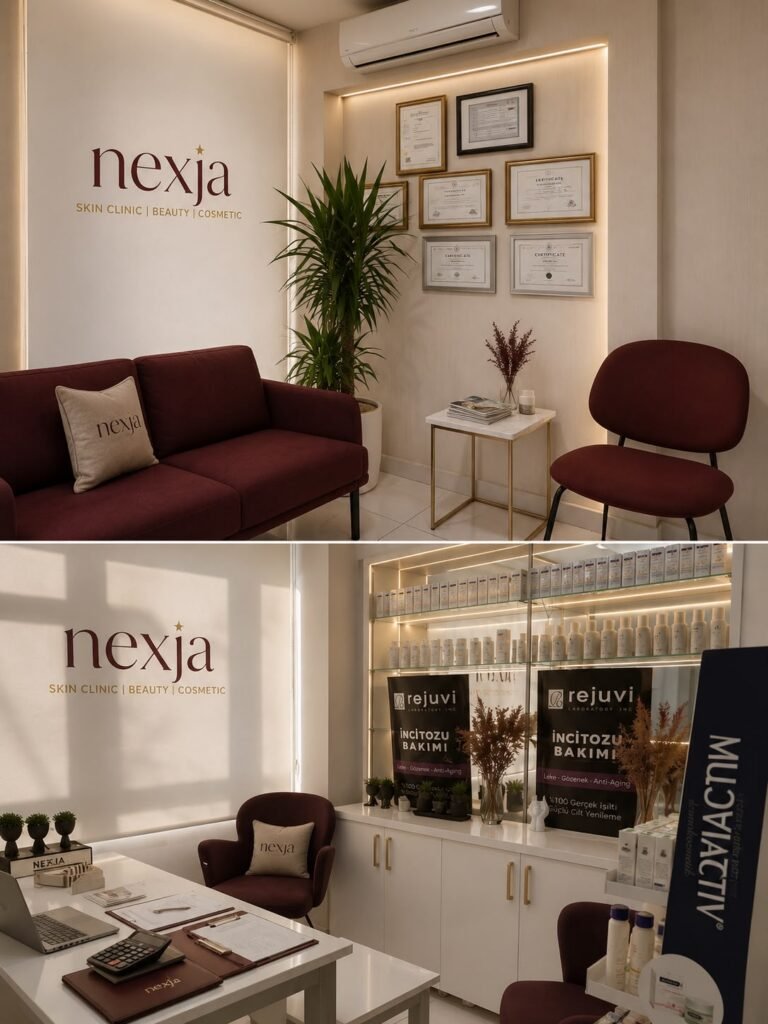
Full-Body Laser Hair Removal in Istanbul: Areas, Cost Factors and Planning a Course
Direct answer: “full body” is not a universal anatomical package. It may mean a defined group of large areas, a women’s or men’s package with exclusions, or a customised map agreed after consultation. A useful Istanbul quote should name every included area, clarify borders and exclusions, state whether the price is per visit or for a course, explain how unused or deferred areas are handled, and separate an estimated schedule from a guaranteed result. One visit during a trip can be a sensible start for a suitable person, but it cannot complete a biological course or justify shortening intervals.
This full body laser hair removal Istanbul guide is designed for residents, expatriates and visitors comparing scope rather than slogans. It explains how to create an area map, compare quotations on the same basis, estimate the time burden, plan privacy and comfort, evaluate suitability zone by zone, and build continuity after leaving Istanbul. It does not publish a Nexja price list, promise a particular number of sessions, or claim that one device is appropriate for every skin and hair combination. Those decisions require direct assessment and verified local information.
For a broader overview of suitability, technology terms and provider questions, begin with the complete laser hair removal guide for Istanbul. For a service conversation in Fatih, use the laser hair removal service page. The service page owns booking and current commercial details; this article owns the decision framework for comparing full-body scope and course logistics.
What “full body” should mean before you compare prices
A package name is only a label until the provider converts it into a written treatment map. Two offers described as “full body” may differ by face, neck, hands, feet, fingers, toes, buttocks, intimate borders, abdomen line, shoulders or lower back. One may include both full legs and full arms; another may define half limbs. One may price the face separately because fine facial hair requires a different suitability decision. Without a map, the cheaper headline can become the more expensive plan after additions.
Ask the provider to list included zones in ordinary anatomical language and show where each zone begins and ends. “Bikini” can mean hair visible outside underwear, an extended line, or a more comprehensive intimate area. “Face” can mean upper lip and chin or the full face excluding eyebrows. “Back” may or may not include shoulders and nape. These are commercial definitions, not universal medical standards. A clear provider will welcome precise questions rather than treating them as distrust.
The map should also identify areas that will be assessed but may be declined. Laser and light treatments need an appropriate target. Very fine, light, red, grey or white hair may not offer enough pigment for a useful response. A zone with recent tanning, inflammation, infection, an active rash, a suspicious lesion or a changing hair pattern may need postponement or medical review. It is safer to remove an unsuitable zone from the quote than to treat it merely because the package name includes it.
Do not assume that every hair-bearing area is appropriate for treatment. The eyebrow region and areas close to the eye demand particular caution. Tattoos and pigmented lesions require deliberate avoidance and assessment. Fine facial or neck hair deserves care because paradoxical hair stimulation has been reported after laser and intense pulsed light treatment, particularly on face and neck. A systematic review of paradoxical hypertrichosis found that the effect was uncommon overall and concentrated in facial and neck sites; it does not predict an individual outcome, but it supports treating area selection as a clinical decision.
Build your personal area map before requesting a quote
\n

Start with your goal, not the provider’s package menu. Divide the body into zones and mark each as a priority, optional, unsuitable until reviewed, or not wanted. This prevents a bundled discount from deciding which parts of your body receive treatment. It also creates a stable comparison document when providers use different names.
| Region | Questions to define scope | Planning issue |
|---|---|---|
| Face and neck | Which subareas are included? Is fine hair excluded? How are eyebrows and the eye area protected? | Suitability may differ from body hair; new or hormonally influenced growth may need medical review. |
| Arms and hands | Full or half arms? Are elbows, hands and fingers included? | Sun exposure and tan lines can differ within one limb. |
| Underarms | Are the borders defined? Is irritated skin deferred? | Usually a compact zone, but deodorant, shaving irritation and skin folds affect preparation. |
| Torso | Chest, breasts, abdomen, linea alba, back, shoulders and lower back—what is included? | Hair calibre and density can vary widely across adjacent zones. |
| Intimate areas | Basic bikini, extended bikini or another defined map? Are buttocks or the intergluteal area separate? | Consent, privacy, practitioner gender preferences and positioning should be discussed in advance. |
| Legs and feet | Full or half legs? Are knees, feet and toes included? | Large surface area, travel sun exposure and longer appointment time influence logistics. |
Photographs are not always necessary for a preliminary quote, and intimate images should never be requested casually. A written map or secure consultation is preferable. If images are used for clinical documentation, ask how consent, storage, access and deletion are managed. You can decline marketing use while still consenting to necessary clinical records. Never send sensitive photographs through an informal channel simply because it is convenient.
Mark asymmetries, scars, tattoos, moles, irritation, areas of recent tanning and zones where the hair has changed rapidly. The purpose is not self-diagnosis; it is to help the practitioner know what must be examined. A provider may revise the map after seeing skin tone, hair colour, calibre, density and distribution in person. That revision is a sign of assessment, not automatically a bait-and-switch, provided the commercial consequences are explained before treatment.
Suitability is assessed zone by zone, not once for the whole body
One person can be a good candidate in one area and a poor candidate in another. Coarse, dark underarm hair may provide a clear optical target while pale thigh hair or fine cheek hair may not. The same person’s face, torso and legs can have different recent sun exposure, pigment, irritation and growth patterns. A single “skin type” label cannot replace this regional assessment.
Laser hair reduction depends on energy reaching an appropriate follicular target while limiting injury to surrounding skin. The balance is influenced by hair pigment and calibre, epidermal pigment, wavelength, pulse duration, fluence, spot size, cooling, technique and operator judgement. A device brand by itself does not establish safe settings. The systematic review of laser hair reduction in skin of colour illustrates why modality, tolerability and adverse-event evidence must be interpreted carefully rather than reduced to a universal device winner.
Recent tanning can change the margin between target hair pigment and epidermal pigment. Sunless tanner can also interfere with visual assessment. The American Academy of Dermatology preparation guidance emphasises consultation, disclosure of medical history and medication, avoidance of tanning and daily broad-spectrum sun protection. Your own provider’s instructions should be specific to your skin, areas and treatment system.
Rapidly increasing hair, new facial or body distribution, irregular periods, acne, scalp changes or other symptoms can justify medical evaluation. Laser can reduce visible hair but does not diagnose or treat an underlying endocrine driver. A full-body sale should not eclipse this distinction. If a clinician recommends referral or further assessment, the correct commercial response is to pause or narrow the package, not to promise that more sessions will solve the cause.
How hair colour and calibre change a full-body plan
Dark, coarse hair generally presents more melanin and a larger target than fine or lightly pigmented hair. This is why the underarms, lower legs or bikini area may behave differently from upper arms, thighs, abdomen or face. A provider should describe the expected usefulness of treatment by zone rather than averaging the whole body into one promise.
Grey, white and many very light hairs contain little target pigment for conventional laser hair reduction. Red hair can also be challenging. Treating these hairs repeatedly because they are part of a prepaid package can consume time without offering a reasonable expectation of benefit. Ask whether unsuitable zones can be removed, substituted, credited or handled by another evidence-appropriate method.
Fine hair is not simply a smaller version of coarse hair. It may be less responsive, and in some regions the risk-benefit decision can be different. The face, neck, upper arms, shoulders and upper back deserve careful inspection when the hair is sparse or borderline. The practitioner should be able to say “no” to a zone. A package that requires every included area to be treated regardless of target quality is not genuinely personalised.
Hair density also influences time and course interpretation. Dense, coarse growth may show visible shedding and reduction differently from scattered hairs. Sparse hair can make before-and-after memory unreliable, so standardised photographs or a shaving-frequency record may help. Documentation should serve clinical review, not manufacture a dramatic marketing image.
Full-body treatment is still a course, not one event
Hair follicles are not synchronised. A session treats a population of visible and susceptible hairs, while other follicles are in different stages. This is why a course requires repeated assessment and why a holiday cannot biologically compress the calendar. The American Academy of Dermatology laser hair removal FAQ describes a common need for multiple treatments, variation by body area, hair and skin, and possible maintenance. Those broad statements are educational starting points, not a Nexja prescription or a guaranteed package count.
Different areas may also reach useful regrowth at different times. A provider may keep one combined appointment for convenience early in a course and later split or defer zones when their return patterns diverge. Ask whether the commercial package allows this. A rigid rule that every zone must be treated on every date can waste visits on quiet areas or encourage treatment before skin is ready.
For a detailed explanation of growth cycles, spacing and maintenance, read how many laser hair removal sessions may be needed. This article does not repeat that biology. Its practical point is that a quote must explain how course changes are handled when areas respond at different speeds.
A reasonable plan includes review points. Instead of promising completion on visit six or eight, it records baseline density and calibre, observes shedding and regrowth, checks skin tolerance, and revises the cadence. The useful outcomes are reduced density, slower return, finer regrowth and less frequent shaving—not an artificial need to use every prepaid session on schedule.
Per-session prices and course quotes are not directly comparable
A per-session figure tells you the price of one defined visit. A course quote may bundle a fixed number of visits, include reviews or touch-ups, impose an expiry date, or exclude taxes and extras. Neither structure is inherently better. The problem arises when consumers compare a single-session number with a prepaid total without normalising scope and terms.
Create a comparison sheet with one row per provider and the same columns. Record the exact areas, number of planned visits, whether the number is an estimate or prepaid entitlement, validity period, payment schedule, cancellation rules, rescheduling terms, refund or credit treatment, review appointments, consumables, taxes and the policy for unsuitable or deferred zones. Divide the total only after confirming that the numerator and denominator represent comparable services.
| Quote field | Why it matters | Useful question |
|---|---|---|
| Area map | “Full body” varies. | Can you list every included area and boundary in writing? |
| Visit basis | Per-session and prepaid courses allocate risk differently. | Is this one visit, an estimated course, or a fixed entitlement? |
| Review policy | Areas may respond at different rates. | Can zones be deferred or discharged without losing value? |
| Validity and pauses | Travel, tanning, pregnancy, illness or medication changes can delay treatment. | What happens if safety requires a pause beyond the expiry date? |
| Extras | Consultation, patch testing, numbing, taxes or aftercare may be separate. | What is not included in the quoted total? |
| Cancellation | Large appointments reserve more time. | What notice is required, and what fee applies? |
| Outcome language | A package count cannot guarantee a biological endpoint. | How are progress and stopping decisions documented? |
Do not calculate only “price per area.” A large full-leg zone is not equivalent to a small upper-lip zone in appointment time or treatment complexity. Nor should you assume that more included zones always create more value. An excluded unsuitable area can be a mark of responsible practice. Compare the value of an assessed, documented plan with the cost of a label.
Cost factors that can legitimately change a quote
Surface area and number of zones are obvious factors, but they are not the only ones. Appointment duration, staffing, privacy arrangements, device operating costs, cooling and disposables, practitioner training, documentation, consultation time, patch testing, location and local taxes can affect pricing. Promotional discounts and prepaid commitments alter the financial structure without changing biology.
Hair density and the complexity of positioning can influence appointment time. Treating large areas methodically may require breaks, repositioning and repeated boundary checks. Intimate areas need consent and privacy procedures. A person with many tattoos or areas that must be avoided may require extra mapping. None of these automatically justifies an unexplained surcharge; they are reasons to request a transparent scope.
Technology labels can affect marketing price, but a premium name is not proof of suitability or outcome. Ask for the exact device identity during the consultation, who operates it, how settings are selected, what cooling and eye protection are used, and how maintenance and service records are managed. Do not infer Turkish authorisation or Nexja inventory from a foreign regulator or manufacturer page. The US FDA overview of aesthetic devices is useful for understanding that devices carry benefits, limitations and risks; it does not certify a local provider or establish Turkish regulatory status.
Currency conversion can create apparent savings for international visitors. Compare the exchange-rate date, card charges, deposit currency and refund currency. A course that requires repeat travel also carries transport, accommodation and time costs. The cheapest first visit may not be the least expensive complete plan if continuity is weak.
A quote-comparison method that avoids false savings
Step one is to define the minimum useful scope. List must-have areas, optional areas and areas awaiting assessment. Step two is to request written quotes against that map. Step three is to convert each quote into the same time horizon—one visit, an initial course or a year of planned care. Step four is to add predictable non-treatment costs such as travel and accommodation. Step five is to score continuity, documentation, safety and flexibility separately from price.
Use a range for future costs rather than a single total. The number of sessions and maintenance need cannot be known precisely in advance. Calculate a lower scenario, a central planning scenario and a higher scenario, and state the assumptions. This is more honest than presenting a precise lifetime cost based on a package brochure.
Value the right to stop. If an area no longer contains a useful target, continuing merely to consume prepaid visits is not beneficial. Ask whether unused value can move to another suitable area, become credit, be refunded under defined conditions or simply expire. The contract should answer before payment. A promise made only in a chat message may be difficult to enforce.
Finally, compare the decision process. Does the provider assess each zone, record baseline characteristics, discuss alternatives and limitations, explain adverse effects, provide preparation and aftercare in writing, and set review points? These features may justify a higher price because they reduce ambiguity, not because they guarantee a better result.
Time planning for a large appointment
Large-area treatment can take substantially longer than a small zone. The AAD notes that an upper lip may take minutes while a back or legs may take more than an hour. A true full-body map can therefore require a long appointment or staged visits. Ask for an estimated door-to-door time that includes check-in, review, preparation, photographs if consented, treatment, breaks, aftercare and payment.
Long appointments affect comfort, hydration, food planning, bathroom access, work schedules and transport. Do not arrive fasting unless a qualified clinician specifically instructs it for another reason. Wear loose, clean clothing that gives practical access to the mapped areas and minimises friction afterwards. Discuss modesty needs and practitioner gender preferences before the day, not after undressing.
Some people prefer splitting upper and lower body across separate appointments. This can reduce fatigue and make positioning easier, but it changes travel and pricing. Ask whether split visits count as one package session, two sessions or area-based charges. Obtain the answer in writing.
Build recovery margin into the day. Redness and swelling around follicles can occur, and heat, friction or sun may be uncomfortable. Do not schedule a hammam, sauna, beach, intense workout or tightly timed formal event immediately afterwards unless the treating practitioner has assessed the plan and given appropriate advice.
Preparation for full-body laser hair removal
Preparation should be written and tailored. It commonly includes avoiding tanning and sunless tanner, protecting skin from ultraviolet exposure, disclosing medicines and health changes, and avoiding methods that remove the follicular target such as waxing or plucking for the period specified by the provider. Do not stop prescription medicine on your own. If a medicine raises photosensitivity or another concern, the prescriber and treating clinician should guide the decision.
Nexja’s previously confirmed general instruction is to shorten or shave treatment hair to skin-surface level approximately one day before the session, unless the provider gives a different instruction after assessment. Full-body shaving can irritate skin and takes time. Use a clean tool, gentle technique and adequate lighting; do not repeatedly pass over inflamed areas. Contact the provider if you develop cuts, folliculitis, rash or significant irritation.
Do not improvise with depilatory cream, bleach, exfoliating acids, retinoids or fragranced products immediately before treatment. Product tolerance varies by zone. Follow the provider’s timetable and disclose what you used. The detailed laser hair removal preparation checklist explains shaving, skin care and first-appointment questions without replacing personal instructions.
On the day, arrive with clean skin as instructed. Ask about deodorant, lotion, makeup, sunscreen and topical anaesthetic rather than assuming. Large-area use of numbing products can carry risk; never apply a high-strength product over extensive skin without explicit clinical direction. Preparation is part of the safety assessment, not a test of obedience.
Consent, privacy and dignity across many body areas
Consent is specific and ongoing. Agreeing to “full body” does not remove your right to decline a zone, pause, ask for an explanation or request another practitioner. The provider should describe positioning, draping, protective eyewear, contact with intimate areas, photography and who will be present. You should know how to signal discomfort or stop.
Discuss whether a chaperone is available or required, whether the practitioner’s gender can be requested, and how privacy is maintained while moving between areas. A professional environment exposes only the area being treated when feasible. Staff should not make jokes, body comments or pressure you to expand the map.
Clinical photographs require informed consent and secure handling. Marketing use is a separate decision. Ask whether images identify your face or distinctive tattoos, where they are stored, who can access them and whether you may withdraw marketing consent. Do not assume that signing a general form means every secondary use is necessary.
Visitors should consider language. Consent is not meaningful if you cannot understand the risks, alternatives, aftercare and commercial terms. Request written information in a language you understand or arrange appropriate interpretation. A friend can help with practical translation, but sensitive medical information and accuracy may justify a professional interpreter.
Comfort and pain planning without unsafe shortcuts
Sensation varies by body area, hair density, settings, cooling, hormonal state, anxiety and individual threshold. Large-area treatment can feel more demanding because small sensations accumulate over time. Ask how the provider manages cooling, pacing, breaks and communication. A claim that the entire body is “painless” should be treated as marketing, not consent information.
Do not take pain medicine automatically. Some products may be inappropriate for you or interact with health conditions. Ask the treating clinician or your prescriber. Likewise, do not apply topical anaesthetic across a large surface unless it is specifically prescribed or directed with dose, area and timing limits. “More cream” is not safer.
Tell the practitioner when a zone feels sharply different from the expected sensation. Settings should not be tolerated through severe pain merely to finish a package. Skin response, contact, cooling and device operation may need review. A pause is clinically useful information.
If anxiety, trauma history, sensory sensitivity or mobility affects positioning, share only what is necessary to plan safely. A provider can discuss staged areas, breaks, a support person where permitted, or an alternative approach. Dignity and predictability are part of quality.
Aftercare when many areas are treated at once
Aftercare must account for total surface area. Temporary redness, swelling and discomfort can occur. The AAD advises sun protection and following the treating dermatologist’s instructions; rare but important adverse effects can include blistering, infection, scarring and pigment change. Personal instructions should state what is expected, what to avoid, which products are permitted, and how to contact the clinic.
Loose clothing and reduced friction may help comfort. Heat, intense exercise, hot baths, sauna, hammam, swimming and fragranced products may be restricted for a period based on the provider’s protocol and your response. Do not copy a universal internet timetable. A large appointment can produce different sensitivity in underarms, bikini, legs and torso.
Treated hairs may appear to grow before shedding. Do not pluck them. Follow instructions about shaving and exfoliation; aggressive scrubbing can irritate skin. The laser hair removal aftercare guide explains shedding, redness and daily activities in more depth.
Seek prompt clinical advice for severe or increasing pain, extensive blistering, spreading redness, pus, fever, marked swelling, eye symptoms, breathing difficulty or another alarming reaction. Emergency symptoms require urgent care, not a social-media message. Visitors should know where they would seek local care and how records will be transferred.
Istanbul sun, heat and travel logistics
Istanbul can involve substantial walking and sun exposure even outside midsummer. Full-body areas under clothing may still experience heat and friction, while face, neck, arms, hands and lower legs can be exposed. Plan shade, clothing and broad-spectrum protection according to clinical advice. A Bosphorus day, rooftop venue or long walking itinerary should not be treated as invisible exposure.
Schedule the consultation before non-refundable activities if suitability is uncertain. A recent beach trip, tan, sunburn or skin irritation can lead to deferral. It is better to learn this before paying for a package or arranging a same-day treatment. Tell the provider your recent and planned exposure honestly; hiding it transfers risk to your skin.
Flying itself does not complete aftercare. Consider friction from luggage, long sitting, tight clothing, airport walking and limited access to the clinic after departure. If you are treated near the end of a trip, leave time for early review when practical. Ask how remote follow-up works and who to contact across time zones.
Nexja’s actual location is Fatih, Istanbul. Do not infer that the premises are in Sultanahmet or that a journey takes a guaranteed number of minutes. Check the current address, transport conditions and opening hours directly before travel. Istanbul traffic can change quickly.
Can one session during an Istanbul trip be worthwhile?
It can be a useful start if consultation confirms suitable areas, preparation is correct, continuity is realistic and the first visit is not sold as a complete outcome. The value may be in establishing a baseline, receiving one treatment and obtaining records for a planned return. It may not be worthwhile if follow-up is impossible, the skin is recently tanned, the trip is too short for review, or the offer depends on buying a large non-transferable package.
Ask who will provide later sessions. Returning to Istanbul may be practical for some residents, expatriates or frequent visitors. Others may continue in another country. Cross-provider continuity requires the exact device identity, treated areas, date, settings or treatment record as appropriate, skin response, adverse events and aftercare—not merely a receipt. A new provider must still make an independent assessment.
Do not schedule several full-body sessions days apart to “make the trip count.” Hair biology does not accelerate because flights are expensive. Treating too soon may add risk and cost without accessing a meaningful new growth cohort. If a seller proposes a compressed holiday course, ask for the clinical rationale and decline pressure.
A consultation-only visit can also be worthwhile. It allows you to inspect the process, clarify the map and receive a written quote without exposing skin to treatment. Commercial urgency should not turn a thoughtful decision into a same-day obligation.
Continuity for residents, expatriates and international visitors
Residents can often keep one provider, but work, travel and seasonal sun still disrupt schedules. Expatriates may move or spend long periods abroad. Visitors may have only one treatment in Istanbul. Each group needs a plan for records, future assessment and pauses.
Request a record that identifies the date, treated zones, exclusions, relevant skin observations, device identity, settings documentation where appropriate, immediate response and aftercare. The record should be understandable to another qualified provider without making that provider copy the plan blindly. Ask how to obtain records later and whether there is an administrative fee.
When changing providers, do not assume the new clinic can convert settings between devices. Brand names and numbers are not universally equivalent. Share the history, then allow fresh assessment and possibly a new patch test. Continuity means carrying evidence, not demanding identical parameters.
Agree on what happens if pregnancy, illness, medication changes, a new tan, a skin condition or another procedure interrupts the course. A fair package explains pauses and expiry extensions. Safety-related postponement should not become a reason to conceal information.
Progress measurement across a large body map
Memory is unreliable when many zones are involved. Use a simple area log with baseline hair calibre and density, shaving frequency, session dates, shedding, date of clear regrowth, skin response and the next decision. Do not count individual hairs across the whole body; use consistent, practical indicators.
Standardised photographs can help for non-intimate areas when consent and privacy are appropriate. Use the same lighting, distance, angle and approximate hair length. Do not compare a freshly shaved image with a grown-out image. For intimate zones, a private written record may be preferable.
Measure outcomes that matter to you: fewer shaving days, slower return, lower density, finer hair, less irritation from other removal methods, or reduced time spent grooming. “Completely hairless forever” is not a defensible guaranteed endpoint. The provider should explain whether remaining hair is still an appropriate laser target.
Review zones independently. Underarms may show meaningful reduction while thighs change little. The correct response may be to continue one, lengthen another, stop a poor target or investigate an unexpected pattern. Averaging all zones into one percentage can hide this information.
When to pause, defer or stop an area
Pause when skin is sunburned, significantly irritated, infected or otherwise not ready; when a relevant medicine or health condition changes; when pregnancy-related policy applies; or when the practitioner needs medical clarification. The exact reasons and timetable require qualified assessment. A package date never overrides skin safety.
Defer when an area has insufficient useful regrowth, when recent sun exposure changes risk, or when aftercare cannot be followed. Stop when the remaining hair is too fine or lightly pigmented for a reasonable target, when progress is absent despite appropriate review, when adverse effects outweigh benefit, or when you simply withdraw consent.
Unexpected rapid growth, new distribution or other symptoms may justify medical evaluation rather than escalating treatment. Laser can address visible hair but not the underlying driver. The provider should be willing to recommend referral even if it reduces the sale.
Commercial terms should support these decisions. Ask whether a stopped area can be credited, substituted or refunded and whether a medical pause extends validity. If the answer is “all sessions expire regardless,” include that risk in your comparison.
Device and provider questions without brand-name shortcuts
Ask for the exact manufacturer and model used on the day, not only a marketing category such as ice laser, diode or medical laser. Then ask how the practitioner chooses settings for different zones, skin characteristics and recent exposure; what cooling is used; how eye protection is selected; how equipment is maintained; and what happens if skin response is unexpected.
Do not assume that an imported device, a CE mark, an FDA reference or a manufacturer claim proves local suitability, current maintenance or operator competence. Regulatory systems differ, indications are specific, and a model name must match documentation. Nexja’s exact device model, approvals and protocols should not be invented from public categories.
Provider skill matters because full-body treatment involves many anatomical surfaces, angles, pigment variations and boundaries. Ask about training and experience with your skin colouring and the areas in your map. The AAD preparation guide suggests asking how many treatments the clinician has performed on people with similar skin colouring and what results and side effects to expect.
Protective eyewear is mandatory for everyone in the treatment room according to the AAD’s description of the procedure. Ask how eyewear is matched to the system and how eye-adjacent regions are managed. A request to remove protection for convenience is a serious warning sign.
How to read marketing claims critically
“Permanent” may be used loosely. A more defensible discussion distinguishes long-term hair reduction from guaranteed removal of every hair forever. Hair can regrow, new hair can emerge, and maintenance may be considered. Ask the provider to define the claim in measurable terms.
“Unlimited” may still contain time, area, fair-use or appointment restrictions. Read the contract. “Lifetime” may refer to the business offer, not your biological outcome, and can be affected by provider closure or policy change. “Pain-free” cannot account for every body area and person. “All skin types” does not mean one setting or device is equally appropriate for everyone.
Before-and-after images are not a quote. Lighting, shaving, hair length, angle and selection can exaggerate change. Ask how images were standardised and whether they represent the same area and follow-up interval. Never assume another person’s outcome predicts yours.
Urgency devices—today-only discounts, countdowns or claims that consultation is unnecessary—reduce decision quality. A legitimate promotion can coexist with transparent assessment, but price should not pressure you to treat an unsuitable area or prepay before understanding terms.
Patch testing, baseline assessment and the limits of prediction
A patch test is a small, controlled exposure used by some providers to observe skin response and inform settings before treating a larger field. Its role depends on the device, skin, treatment history, area and local protocol. A patch that looks calm does not guarantee that a full-body session will be free of adverse effects: total surface area, overlap, anatomy, cumulative heat, sun exposure and later inflammatory response can differ. Conversely, a cautious patch-and-review process can be valuable when risk or uncertainty is higher.
Ask what the test is designed to answer, which area will be used, when it will be reviewed, and what would cause the plan to change. A patch on the lower leg cannot automatically validate the face, bikini area or recently tanned arm. Each zone may have different pigment, hair calibre and sensitivity. If multiple device modes or substantially different settings are planned, the provider should explain how the preliminary assessment relates to each region.
Baseline assessment should include more than a glance at hair. Relevant history can include prior laser or IPL treatment, burns or pigment change, tendency to scar, cold sores, medicines, photosensitivity, recent procedures, active skin disease, tattoos, tanning and changing hair patterns. The practitioner should inspect the actual zones under suitable lighting. A remote photo can support planning but cannot reproduce touch, full colour range, skin condition or a complete medical conversation.
Prediction remains limited after a careful assessment. A practitioner may estimate which zones are likely to respond and propose an initial schedule, but the course must generate its own evidence. Early shedding, quieter intervals, lower density and tolerance help refine the plan. Lack of change, new fine growth, persistent irritation or unexpected pigment response should trigger review rather than automatic repetition.
Ask how patch testing is charged and whether it is included in the consultation or course. Also ask whether a decision not to proceed changes the deposit or package terms. Testing should reduce uncertainty, not create pressure to buy. If the provider says a patch is unnecessary, request the clinical rationale and ensure that the broader assessment still addresses your individual risks.
Tattoos, moles, scars and areas that need deliberate avoidance
A full-body map often contains features that cannot be treated as blank skin. Tattoo pigment can interact with light energy and generally requires clear avoidance according to the provider’s protocol. Permanent makeup and small decorative tattoos can be easy to overlook when working across a large surface. Mark them on the map before treatment and ask how margins are established and documented.
Moles and other pigmented lesions need assessment rather than casual treatment. The practitioner should identify which lesions are avoided and which require medical review. Laser hair removal is not a way to diagnose, remove or “test” a changing mole. If a lesion has changed in size, shape, colour, surface or symptoms, seek appropriate medical evaluation instead of covering it with a package consent form.
Scars vary in maturity, colour, thickness, sensation and cause. A flat, mature pale scar is not equivalent to a raised, active, pigmented or recently healed scar. Previous surgery can also change sensation or lymphatic considerations in a region. Disclose the history and let a qualified clinician decide whether to avoid, modify, defer or refer. A package discount should not encourage direct treatment over a feature that has not been assessed.
Bruises, abrasions, cuts, folliculitis, eczema flares, infections and freshly irritated shaving zones may also require local deferral. Full-body does not mean the entire map must be completed in one sweep. A provider should record skipped areas so that both safety and package accounting remain transparent.
Ask how these exclusions affect price and future visits. If a tattooed portion can never be treated, the quote should not quietly count it as delivered value. If a temporary rash postpones one zone, the contract should explain whether that zone can be treated later. Clear avoidance is part of quality; it is not incomplete service when the reason is documented.
Combining laser hair removal with other skin and body procedures
People considering a full-body course may also schedule facials, peels, microneedling, resurfacing, injectables, body contouring, massage, waxing, hammam visits or spa treatments. These procedures are not automatically compatible merely because they target different goals. Timing can matter when the same skin is heated, exfoliated, irritated, injected or exposed to products.
Create one treatment calendar and show it to every relevant provider. Mark the anatomical overlap, not just the procedure name. A facial peel and lower-leg laser may have little physical overlap but still affect sun-avoidance planning. Body massage after extensive treatment may add heat and friction. A resurfacing procedure on the face may change when facial hair treatment is appropriate. The clinician who knows the actual products, devices, settings and skin response should decide the interval.
Do not rely on a generic rule such as “wait one week between everything.” Recovery varies by procedure and intensity. Nor should you assume that two providers will spontaneously coordinate. Ask each for written timing guidance and disclose recent treatments honestly. If instructions conflict, pause and request clarification rather than choosing the shorter interval.
Hair-removal methods also interact with the course. Waxing, threading, tweezing or electrolysis can remove follicular targets in the treated zone. Depilatory creams can irritate skin. Shaving is often used between appointments, but technique and timing should follow the provider’s guidance. A full-body plan is easier when all grooming methods are mapped by area.
For international visitors, avoid stacking procedures simply to maximise a trip. More appointments do not equal more value when aftercare conflicts. Sun avoidance, product restrictions, heat, friction and access to follow-up can make a crowded itinerary less safe and less enjoyable. A staged plan with fewer well-timed procedures may be the more premium experience.
Three realistic planning scenarios
Scenario one: an Istanbul resident comparing two packages
A resident wants full legs, underarms, bikini line and forearms. Provider A advertises “full body” at a lower price but will not specify whether feet, knees or hands are included and requires eight prepaid visits with a short expiry. Provider B quotes the four requested zones, documents the borders, allows areas to be deferred when regrowth is insufficient and takes payment per visit. The correct comparison is not headline price divided by four areas. It is the cost and flexibility of the resident’s actual map across plausible course scenarios. Provider B may be better value even if one visit costs more.
Scenario two: an expatriate with seasonal travel
An expatriate spends winters in Istanbul and summers in a sunny location. Legs and arms are good targets at consultation, but the summer schedule creates substantial exposure. The plan uses the lower-exposure season, documents progress, and includes a pause rather than forcing prepaid appointments during tanning. The contract confirms that a clinically required pause extends validity. This protects both skin and the financial commitment.
Scenario three: a short-stay visitor
A visitor has five days in Istanbul and wants one full-body session. Consultation shows suitable underarm, bikini and lower-leg hair but borderline fine hair on thighs and upper arms. The visitor chooses the suitable zones, keeps the final day free for early review, obtains records and plans reassessment at home. The provider does not sell a complete full-body course or treat weak targets simply to enlarge the invoice. The result is narrower than the original request but more defensible.
Scenario four: changing hormonal-pattern hair
A client requests face, neck and body treatment after a recent increase in coarse hair. Instead of immediately adding the face to a full-body package, the provider recommends medical review and explains that laser can reduce visible suitable hair without treating the cause. Body zones may proceed if independently suitable, while the face remains under review. The commercial map follows the assessment, not the other way around.
These scenarios show why the best plan can be smaller, slower or financially different from the first advertisement. Personalisation is not adding every possible option; it is removing what does not fit.
Contract terms that deserve a careful read
Prepaid aesthetic contracts can be difficult to evaluate because biological uncertainty sits beside fixed commercial rules. Read the complete document before paying. Check the legal business name, included areas, number or value of visits, payment schedule, validity period, cancellation window, missed-appointment fees, rescheduling notice, refund conditions, transfer rules and what happens if the provider changes equipment or location.
Look for the difference between an estimated clinical plan and a purchased entitlement. “Eight sessions recommended” is not necessarily the same as “eight sessions included,” and neither means eight sessions will complete every zone. Ask whether unused sessions remain as credit when an area is discharged, and whether the provider can substitute another area without a new assessment.
Medical and safety pauses deserve explicit treatment. Pregnancy, illness, medication changes, tanning, skin disease or an adverse reaction may interrupt the course. Does the expiry pause automatically, require documentation or remain fixed? What happens if the provider recommends stopping? A contract that financially punishes honest disclosure can create a dangerous incentive.
International visitors should check refund currency, card fees, deposit rules and dispute process. If a package is priced in Turkish lira but paid with a foreign card, a refund may differ because of exchange rates and bank charges. Keep the written quote, receipts, consent, aftercare and correspondence.
Do not sign blank or incomplete forms. Correct area definitions before signing and retain a copy. Consent to treatment, consent to photography and acceptance of commercial terms should be distinguishable. If you do not understand the language, request translation. A premium experience makes terms easier to understand; it does not hide them behind luxury branding.
Accessibility, mobility and sensory planning
Full-body treatment may require standing, turning, lying prone or supine, lifting arms, bending knees and remaining in one position while a zone is mapped. A person with limited mobility, pain, dizziness, fatigue, respiratory difficulty, sensory sensitivity or another access need should discuss the physical sequence before booking. The goal is not to disclose every diagnosis; it is to identify what the team must change to deliver care safely and respectfully.
Ask about lift or stair access, treatment-table height and weight limits where relevant, accessible toilets, space for mobility equipment, transfer assistance, rest breaks and whether a support person can attend. Do not assume that a central Istanbul location guarantees step-free access. Confirm the current premises directly.
Positioning can affect both dignity and treatment quality. If holding an arm overhead causes pain or if lying face-down is difficult, the provider may split areas, use alternative positioning or shorten the session. This can change the appointment estimate and package accounting, so clarify it before payment. Rushing through an unstable position is not an acceptable substitute.
Sensory planning may include explaining each step before contact, reducing unnecessary noise, agreeing on a stop signal and scheduling at a quieter time. Cooling, bright lights and protective eyewear can feel unfamiliar. A predictable sequence and planned breaks can make a long appointment manageable without promising that every sensation will disappear.
Accessibility also includes communication. Written instructions should be readable and specific. People with hearing, visual, language or cognitive access needs may request an appropriate format or support. Consent remains the client’s decision. A companion should not be treated as the automatic decision-maker unless legally authorised.
Quality control on the day of treatment
Before the first pulse, compare the live plan with the written map. Confirm the areas being treated, areas excluded, any new skin or health change, shaving status, sun exposure and products on the skin. This short pause prevents a package label from becoming an assumption. If the map has changed, update the record and commercial scope before proceeding.
The treatment room should support privacy, hygiene and laser safety. Protective eyewear should be provided and worn as required. Surfaces and contact components should be handled according to the provider’s infection-control process. The practitioner should identify tattoos, lesions and boundaries, and should not rely on memory across a large body surface.
During treatment, methodical coverage matters, but consumers cannot judge quality by counting flashes. Spot size, overlap, motion technique and device mode vary. Instead, observe whether the practitioner follows a consistent map, checks skin response, maintains contact or distance as appropriate to the system, uses cooling correctly and communicates when changing zones.
At the end, confirm which areas were actually completed, which were skipped and why. The record and package balance should match reality. Receive aftercare and contact instructions before leaving. If an area was deferred, ask when it should be reassessed rather than accepting an automatic next date.
Quality control continues after the visit. Record the immediate response, later shedding, unexpected symptoms and any contact with the clinic. A provider should respond to safety concerns and use the information to adjust the plan. Luxury décor can improve comfort, but reliable records and follow-up are the stronger signs of a premium clinical process.
How to prepare questions for a remote preliminary consultation
A remote conversation can narrow options before you travel, but it should not be presented as a complete substitute for in-person skin and hair assessment. Use it to confirm the provider’s current services, likely area definitions, preliminary price structure, appointment length, language support and the documents you should bring. Treat every clinical conclusion as provisional until the practitioner examines the actual zones.
Send a concise history rather than a large folder of unstructured messages. State your priority areas, previous laser or IPL experience, important reactions, recent tanning, current medicines that the provider asks about, relevant skin conditions and the dates of other procedures. Do not send intimate photographs unless the provider explains why they are necessary, uses an appropriate secure channel and obtains specific consent. A written area list is usually enough for an initial commercial estimate.
Ask whether the preliminary quote can change after assessment and which findings commonly change it. The answer should distinguish a legitimate revision—such as excluding fine hair or adding time for a larger map—from an unexplained last-minute upsell. Request the validity period and currency of the quote. International visitors should also confirm deposit terms, accepted payment methods and what happens if travel disruption or a safety deferral prevents treatment.
Use the call to test continuity. Who answers aftercare questions? Can the clinic provide an English treatment record? Is remote follow-up available after departure, and what cannot be assessed remotely? Where should you seek urgent care? A provider does not need to promise 24-hour personal messaging to offer a clear escalation path.
After the call, summarise the agreed scope in one message and ask the provider to correct errors. Bring that summary to the in-person consultation. If the live assessment changes the plan, update the map and quote before treatment. This simple reconciliation protects both sides from relying on different meanings of “full body.”
Myths vs Facts
Myth: Full body has one standard list of areas
Fact: providers define packages differently. The only reliable scope is a written area map with boundaries, exclusions and treatment conditions.
Myth: The lowest package price is automatically the best value
Fact: compare like-for-like areas, visits, review rights, expiry, extras, continuity and suitability. An inexpensive label can cost more after additions or travel.
Myth: Every included area should be treated at every appointment
Fact: zones can have different regrowth and skin readiness. Deferring or stopping an area can be the responsible choice.
Myth: A short Istanbul holiday can complete a course
Fact: hair cycles do not compress around travel. One session may start a plan, but repeated visits require biologically and clinically appropriate spacing.
Myth: One skin-type label decides suitability for the entire body
Fact: pigment, tanning, irritation, hair colour and calibre vary by zone. Assessment should be regional.
Myth: Full-body laser guarantees permanent smoothness
Fact: outcomes vary, regrowth can occur and maintenance may be considered. Ethical planning uses reduction and review, not a guaranteed finish line.
Myth: A premium device name proves a premium result
Fact: exact model, maintenance, settings, cooling, operator judgement and patient factors matter. A brand name alone is not a treatment plan.
Myth: Pain is evidence that treatment is working
Fact: severe or unusual pain is a reason to communicate and reassess, not a performance target.
Myth: Grey or white hair can be included because the package is full body
Fact: low-pigment hair may not provide a useful target for conventional laser reduction. Inclusion does not create suitability.
Myth: You should hide tanning or medicines to avoid losing an appointment
Fact: honest disclosure protects safety. A fair provider and contract should accommodate clinically necessary deferral.
A practical consultation checklist
- Bring your must-have, optional and review-only area map.
- Describe recent sun, tanning, sunless tanner, shaving irritation and other procedures by zone.
- List medicines, supplements, relevant diagnoses, scarring history, cold sores and skin reactions; do not stop treatment without prescriber advice.
- Ask which areas are good targets, borderline targets or unsuitable, and why.
- Request the exact device identity and an explanation of how zone-specific settings and cooling are selected.
- Clarify eye protection, tattoos, moles, scars and intimate-area boundaries.
- Confirm preparation, appointment duration, breaks, draping, practitioner preferences and aftercare.
- Ask what response is expected, what is uncertain, and which signs trigger review, delay or referral.
- Obtain the quote, exclusions, expiry, pause, cancellation, credit and refund rules in writing.
- Decide after you understand the plan; do not let a same-day discount replace consent.
A course-planning worksheet for Istanbul
Local schedule: record work, school, caregiving, exercise, sun exposure and important events. Identify periods when aftercare or reduced friction will be difficult. Do not create session dates before the provider gives an initial range.
Travel schedule: record arrival and departure, recent beach or sun travel, planned Bosphorus or outdoor activities, hotel location, transport and access to follow-up. Keep non-refundable plans separate from a treatment date until suitability is clearer.
Area schedule: group zones only when it is clinically and practically reasonable. Note which areas may split later as regrowth diverges. Ask how split visits are charged.
Financial schedule: record deposit, instalments, exchange rate, card costs, included visits, expiry and a lower/central/higher future-cost scenario. Keep emergency care and repeat travel outside the advertised package total.
Review schedule: choose measurable indicators and predefine review points. A course without a stopping rule can continue because sessions remain, not because benefit remains.
Red flags when comparing a full-body offer
- The provider will not list areas or boundaries in writing.
- Every person receives the same device, settings, session count or interval without assessment.
- Fine, grey, white or facial hair is promised the same response as coarse dark body hair.
- Recent tanning, medicines, skin conditions or pregnancy-related questions are dismissed.
- Protective eyewear, privacy, consent or adverse-effect procedures are vague.
- The course is guaranteed to finish during a short holiday.
- The seller claims permanent removal of every hair or a pain-free experience for everyone.
- You are pressured to prepay before seeing terms, or safety deferrals cause automatic loss without a clear policy.
- Exact device identity and operator role cannot be confirmed.
- There is no accessible aftercare contact or record-transfer process for visitors.
A red flag does not always prove harm, but it identifies a question that must be resolved before payment or treatment. If the answer remains unclear, choose consultation only, narrow the scope or walk away.
Frequently asked questions
1. What areas are usually included in full-body laser hair removal?
There is no universal list. Many offers group legs, arms, underarms, torso and a defined bikini area, while face, neck, hands, feet, buttocks or intimate extensions may be separate. Ask for a written map with boundaries and exclusions. Compare only after every provider quotes the same map.
2. Does full body include the face?
Not automatically, and inclusion does not establish suitability. Facial hair may be finer or hormonally influenced, and face or neck sites deserve careful assessment because paradoxical stimulation has been reported. Ask which subareas are included and why treatment is appropriate.
3. Does full body include bikini or intimate areas?
Package terms vary from a basic bikini line to broader maps. Clarify borders, positioning, practitioner gender preferences, draping, consent and whether buttocks or the intergluteal area are separate. You may decline any zone.
4. Are hands, feet, fingers and toes included?
Sometimes, but often they are additions. Hair may also be finer than on limbs. Put these zones on the written map and ask whether they are useful targets rather than assuming inclusion means benefit.
5. Can every body area be treated in one appointment?
Possibly, but appointment length, comfort, privacy, skin readiness and provider workflow may favour staged visits. Ask for a realistic door-to-door duration and how split sessions are counted commercially.
6. How long does a full-body appointment take?
It depends on the map, density, positioning, device, technique, breaks and documentation. Large areas can take much longer than small zones. Obtain an estimate for your actual map; do not rely on a generic advertisement.
7. How many full-body sessions will I need?
No exact number can be guaranteed before response is observed. Multiple treatments are generally required, areas can behave differently, and maintenance may be considered. Use an estimated range with review points, not a promised finish line.
8. Can I have sessions on consecutive days during my Istanbul trip?
Not as a way to complete a course. Hair cycles and skin recovery do not compress for travel. Follow a qualified provider’s interval and never add closely spaced sessions merely to use a package.
9. Is one full-body session worth doing while visiting Istanbul?
It can be a useful start if you are suitable, prepared and able to arrange continuity. It may be poor value if follow-up is impossible, the skin is tanned, or the offer requires a large inflexible prepayment.
10. Should I buy a course or pay per session?
Choose based on financial risk, flexibility and continuity. Prepayment may reduce the unit price but increases exposure to expiry, travel and changing suitability. Per-session payment may cost more per visit but preserve choice. Read the terms.
11. Why do full-body prices vary so much?
Area definitions, visit count, appointment time, staff, technology, cooling, documentation, location, taxes, extras and promotional terms differ. The headline price is meaningful only beside a comparable written scope.
12. Does a higher price guarantee better results?
No. Price may reflect legitimate quality and cost factors, but it cannot guarantee biology. Evaluate assessment, documentation, operator competence, device identity, safety, follow-up and contract terms as well as price.
13. Should men and women receive different package maps?
Commercial maps often differ, but anatomy, hair pattern and personal goals matter more than a label. Ask for an individual area map. Do not accept gendered assumptions about which zones you must include.
14. Can dark skin have full-body laser hair removal?
Potentially, with appropriate assessment, device selection, parameters, cooling and expertise. Risk and suitability vary by zone and recent exposure. “All skin types” is not a substitute for a careful plan.
15. What about tanned skin?
Recent tanning can change risk and may require delay or adjustment. Disclose natural and artificial tanning and sunless tanner. Follow the provider’s written sun-protection and timing advice.
16. Will laser work on blonde, red, grey or white body hair?
Low-pigment hair may respond poorly because conventional laser reduction needs an optical target. Results vary by colour and calibre. Ask for honest zone-by-zone assessment and alternatives rather than purchasing on the basis of package inclusion.
17. Can fine hair be treated because it covers a large area?
Large surface area does not improve target quality. Fine hair may respond poorly, and some sites deserve particular caution. A provider should be willing to exclude or stop a borderline zone.
18. Should I shave my entire body before the appointment?
Follow the provider’s mapped instructions. Nexja’s confirmed general instruction has been to shorten or shave treatment hair to skin-surface level approximately one day before the session, unless personal guidance differs. Do not shave excluded areas unnecessarily.
19. Can I wax between sessions?
Methods that remove hair from the follicle can remove the intended target. Follow the treating provider’s instructions about waxing, plucking and electrolysis. Shaving is commonly used, but personal advice controls.
20. Can I use numbing cream over the full body?
Do not do this without explicit clinical direction. Large-area topical anaesthetic use can be unsafe. Ask about cooling, pacing, breaks and any permitted medication or topical plan.
21. What should I wear?
Choose loose, clean clothing that permits practical access and limits friction afterwards. Ask about underwear, draping and product removal. Personal comfort and modesty should be planned before arrival.
22. Is full-body laser hair removal painless?
No provider can guarantee that. Sensation varies by zone, density, settings, cooling and person. Ask how the team communicates, pauses and reassesses unusual pain.
23. Can I exercise after a full-body session?
Heat, sweat and friction may irritate treated skin. Follow the provider’s area-specific aftercare and schedule demanding exercise only when permitted. A universal online timetable cannot assess your response.
24. Can I visit a hammam or sauna after treatment?
Not until the treating provider says it is appropriate. Heat, moisture and friction can be relevant after a large-area session. Plan these Istanbul activities on separate days with recovery margin.
25. Can I go sightseeing in the sun afterwards?
Direct sun exposure can be a concern, particularly on face, neck, arms, hands and legs. Follow clinical sun-protection advice and adjust outdoor plans. Shade and clothing do not make disclosure of a recent tan unnecessary.
26. What if different areas regrow at different times?
That is expected. Ask whether zones can be split, deferred or discharged and how this affects package accounting. A rigid all-area schedule may not serve the biology of each zone.
27. What if I move or cannot return to Istanbul?
Request your treatment record and obtain the new provider’s independent assessment. Do not assume settings translate between devices. Check transfer, credit, refund and expiry terms before prepaying.
28. What if I become pregnant during a prepaid course?
Tell the provider and follow qualified medical advice and the clinic’s policy. Do not conceal pregnancy to protect an expiry date. Ask before purchase how medically necessary pauses are handled.
29. Can laser treat hair caused by a hormonal condition?
It may reduce visible suitable hair, but it does not diagnose or treat the underlying driver. New or rapidly changing growth may need medical evaluation. Expectations and maintenance may differ.
30. What records should an international visitor take home?
Request the date, treated areas and exclusions, device identity, relevant treatment information, skin response, adverse events, aftercare and contact details. A future provider should reassess rather than copy settings automatically.
Final decision framework
A defensible full-body plan begins with a map, not a discount. Define the areas you want, allow the practitioner to exclude poor targets, compare quotes with the same scope, and treat the course as a sequence of reviewed decisions. Price matters, but so do privacy, time, sun exposure, documentation, flexibility and continuity.
Before choosing, place the written area map, quote, consent summary and course calendar side by side. They should tell the same story. If the quote includes a zone that the assessment calls unsuitable, if the calendar ignores travel or sun exposure, or if the contract penalises a safety pause, resolve the contradiction before paying. Keep a dated copy of the final version. A clear plan also states what success will be measured by, when progress is reviewed, who can change the schedule and how you can obtain records. These details turn a broad “full-body” promise into an auditable service decision.
For residents and expatriates, the main advantage of Istanbul treatment may be continuity with a local provider. For visitors, one well-planned session can begin a course, but travel must fit biology rather than rewrite it. In both cases, ask what happens when zones diverge, skin changes, or a pause becomes necessary.
Nexja is located in Fatih, Istanbul. Current prices, inclusions, device identity, practitioner role and appointment process must be confirmed directly; they are not invented in this guide. Review the Laser Hair Removal Guide archive for preparation, session biology, aftercare and suitability articles, then use the service page to request an assessed quote.
The best offer is not the one with the largest area list or the boldest promise. It is the one you can understand, verify and safely continue—or stop—when the evidence from your own course changes.
Keep the decision reversible until the essentials are verified. A preliminary online quote should become a final written scope only after the live assessment; a proposed calendar should remain adjustable when regrowth or skin readiness changes; and a prepaid commitment should have clear rules for medically necessary pauses. If any element depends on a verbal promise, ask for it in the same document as the price. This does not eliminate uncertainty, but it makes uncertainty visible and manageable. The practical aim is a course in which safety information, commercial terms and your own goals remain aligned from the first consultation through the final review.
